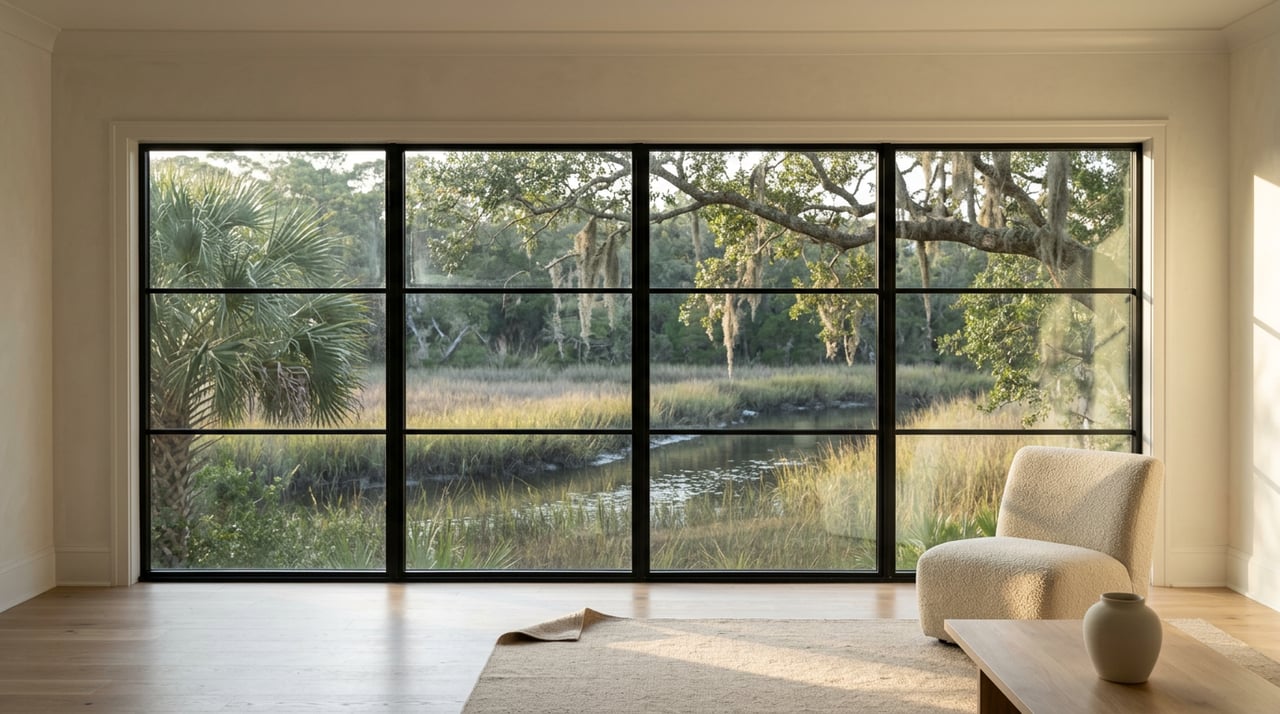
If a quiet, nature-forward island with bike paths and sea turtles tops your second-home wish list, Jekyll Island is easy to love. If you are exploring from out of state, you will quickly notice one big difference from other beach towns. Homes sit on leased land managed by the Jekyll Island Authority, which changes how you budget and plan. This guide breaks down how leasehold ownership works, what it really costs to own here, rental rules, travel times, and the coastal upkeep you should expect. Let’s dive in.
How ownership works on Jekyll Island
Leasehold, not fee simple
On Jekyll Island you purchase the home plus a long-term lease for the land rather than the land itself. The State of Georgia holds title to the land and the Jekyll Island Authority (JIA) issues residential ground leases that run for decades. When you buy, you take over the remaining lease term and the lease obligations. You can review the structure and owner requirements on the JIA’s overview of home ownership and property rental.
Annual lease rent at 0.4%
In addition to your mortgage and normal home expenses, you pay annual lease rent to JIA. The standard residential lease calculates that rent as 0.4% of the land’s fair-market value as assessed by Glynn County. Before you make an offer, confirm the land assessment and compute the annual lease rent using the county data. You can look up parcel assessments on the Glynn County Property Appraisal Office site.
Financing and resale notes
Lenders look at the remaining lease term when underwriting. Some banks are very comfortable with Jekyll leaseholds and others are not. If you plan to finance, talk with a lender who has experience with JIA leasehold properties early so you understand requirements and timelines.
What it really costs to own
Create a full-year budget so you see the whole picture. Your line items will likely include:
- Mortgage principal and interest if financing
- Glynn County property taxes based on the county assessment
- JIA annual land lease rent at 0.4% of assessed land value
- Homeowners insurance plus a separate flood policy if needed
- Wind or hurricane deductibles that may differ from inland homes
- HOA or condo dues if the property is in a governed community
- Utilities, internet, landscaping, and pest control
- Routine coastal maintenance and storm readiness
- If renting, JIA rental license fees and percentage rent on gross rental revenue, plus state and local lodging taxes
For taxes, start with the Glynn County appraisal office to estimate a specific parcel. For flood considerations, check FEMA’s map for the property at the FEMA Flood Map Service Center. Georgia also charges a state hotel fee of 5 dollars per night on paid lodging, separate from sales tax and any local occupancy taxes. You can review the statute on the Georgia hotel-motel fee. If you drive onto the island often, plan for the daily vehicle entry fee or purchase an annual pass. JIA publishes current options on its parking and entry page.
Pro tip: Ask the seller for the current lease document, the latest Glynn County bill, recent insurance quotes, HOA budgets if applicable, and any history of rental licensing or JIA reporting. This lets you validate each cost before closing.
Renting your Jekyll home
License and percentage rent
If you plan to rent your home overnight, JIA requires a rental license. JIA also collects a percentage rent on gross rental receipts and provides application and reporting forms. You can find details and forms on the JIA page for home ownership and property rental.
Taxes and who remits what
Paid lodging on Jekyll generally involves state sales tax, the state hotel fee of 5 dollars per night, and local occupancy or hotel-motel taxes where applicable. Some platforms may collect and remit certain state-level taxes automatically. Owners or their managers are often still responsible for local occupancy taxes and the JIA percentage rent. Confirm who remits which taxes for each booking channel.
Operations and guest rules
JIA enforces occupancy limits, licensing, parking, and noise rules. Licensed rentals may be inspected. Many owners hire on-island managers for cleaning, guest support, compliance filings, and realistic revenue projections. If you plan to rent, interview managers early so you can align pricing with seasonality and local rules.
Getting there and getting around
The closest commercial airport is Brunswick Golden Isles Airport (BQK). Typical driving time from BQK to Jekyll Island is about 25 to 40 minutes depending on route and traffic, which aligns with tools like Travelmath’s BQK-to-Jekyll estimate. Many owners also use Jacksonville International Airport, about one hour to a little over an hour by car, or Savannah/Hilton Head International, about 90 minutes. From Atlanta, plan on about four and a half to five hours.
Every vehicle pays a daily entry or parking fee to access the island, with multi-day and annual pass options. Check the current details on JIA’s parking and entry page.
Seasons, wildlife, and island etiquette
Visitor traffic peaks in late spring and summer, with pleasant shoulder seasons in spring and fall. If you are renting, price and minimum stays accordingly.
Jekyll Island is famous for sea turtles. Nesting typically begins in May, with hatching later in summer and into early fall. Follow the JIA’s guide to sea turtle season to protect wildlife and stay compliant. Simple steps include turning off or shielding exterior lights at night, removing beach obstacles, and packing out trash.
Maintenance and coastal risk planning
Coastal homes demand a little more care. Salt air speeds up corrosion and organic growth, and storms add wear. Build a plan and a budget for:
- Annual soft washing or gentle exterior cleaning
- More frequent exterior paint or coating touch-ups for siding and metalwork
- Twice-annual HVAC servicing with salt-corrosion checks
- Regular termite inspections and pest prevention
- Roof and gutter inspections after major storms
Flood risk is a key factor on any barrier island. Standard homeowners insurance does not cover flood damage. Check your property’s flood zone on FEMA’s Flood Map Service Center. If a lender is involved, flood insurance may be required based on the zone. Even if it is not required, a separate NFIP or private flood policy is a smart planning step.
Hurricane season on the Atlantic runs June 1 through November 30, as noted by the U.S. Census hurricane season overview. Create a storm plan that covers shutters or impact-rated glazing, elevating mechanical systems where feasible, an emergency kit, and re-entry procedures with local authorities. Ask your insurance agent about wind or hurricane deductibles, which are often stated as a percentage of dwelling coverage in coastal areas.
How often you will use it
Most second-home owners do not use their properties every weekend. National surveys suggest many plan fewer than seven visits per year, often in one to three week blocks, which is helpful context as you weigh renting or hiring a manager. For a quick read on typical buyer expectations, see Pacaso’s summary of second-home buyer motivations.
Consider which scenario fits you best:
- I will visit two to four weeks a year. You may want a local manager and a rental license to offset holding costs.
- I will come monthly for long weekends. You might prefer flexible owner blocks and shoulder-season stays instead of peak-week rentals.
- I will rent whenever I am not using it. Plan for full compliance, regular turnover, and conservative projections that reflect seasonality.
How Jekyll compares with nearby markets
Jekyll Island is set apart by its state-park status and leasehold land model, which helps preserve a quieter, lower-density character. Neighboring St. Simons Island and most mainland Glynn County neighborhoods are fee-simple ownership with more private development.
Short-term rental regulations also vary from place to place. For example, Hilton Head Island in South Carolina runs a municipal short-term rental ordinance with a formal permit process that differs from JIA’s lease and licensing model. If you are comparing destinations, review Hilton Head’s short-term rental policy alongside JIA’s requirements.
Quick buyer checklist
- Confirm remaining lease term and annual lease rent using 0.4% times the Glynn County assessed land value.
- Estimate property taxes for the parcel through the county tools.
- Get quotes that separate homeowners, wind or hurricane, and flood policies.
- Ask for HOA documents, budgets, and reserves if in a governed community.
- Decide your usage pattern and whether you will pursue a JIA rental license.
- Map your travel plan using BQK, JAX, or SAV and factor in the island entry fee.
- Build an annual maintenance plan for coastal wear and storm prep.
- Follow sea turtle season rules and local guidelines if near the beach.
Ready to explore Jekyll Island homes?
If Jekyll Island is calling your name, you deserve clear answers tailored to your goals. From lease reviews and cost breakdowns to HOA due diligence and rental licensing guidance, I help you navigate each step with local insight and care. Connect with Christal Kuchar to schedule a friendly, no-pressure consultation.
FAQs
What does leasehold mean on Jekyll Island?
- You buy the home and a long-term land lease from the Jekyll Island Authority, not the land itself. The lease transfers with the sale and includes annual lease rent and owner obligations.
How is annual land rent calculated on Jekyll Island?
- The standard residential lease sets annual rent at 0.4% of the land’s fair-market value as assessed by Glynn County. Use the county assessment to compute the amount.
What taxes apply if I rent my Jekyll Island home?
- Expect state sales tax, Georgia’s 5 dollar per night hotel fee, and local occupancy taxes where applicable, plus JIA percentage rent on gross rental revenue and a JIA rental license.
Is flood insurance required on Jekyll Island second homes?
- Lenders may require flood insurance based on the property’s FEMA flood zone. Even when not required, a separate flood policy is recommended since standard homeowners insurance excludes flood damage.
How far is Jekyll Island from major airports?
- It is roughly 25 to 40 minutes from Brunswick Golden Isles Airport, about an hour to a little over an hour from Jacksonville, and about 90 minutes from Savannah, depending on traffic.
Do I have to pay a fee to drive onto Jekyll Island?
- Yes. There is a daily vehicle entry or parking fee with multi-day and annual pass options published by the Jekyll Island Authority.
When is hurricane season on the Georgia coast?
- The Atlantic hurricane season runs from June 1 through November 30. Plan for shutters or impact glass, emergency supplies, and a re-entry strategy.
What should I know about sea turtle season rules on Jekyll Island?
- During nesting and hatching season, shield or turn off exterior lights at night, keep beaches clear of obstacles, and follow posted guidance to protect wildlife and comply with local rules.