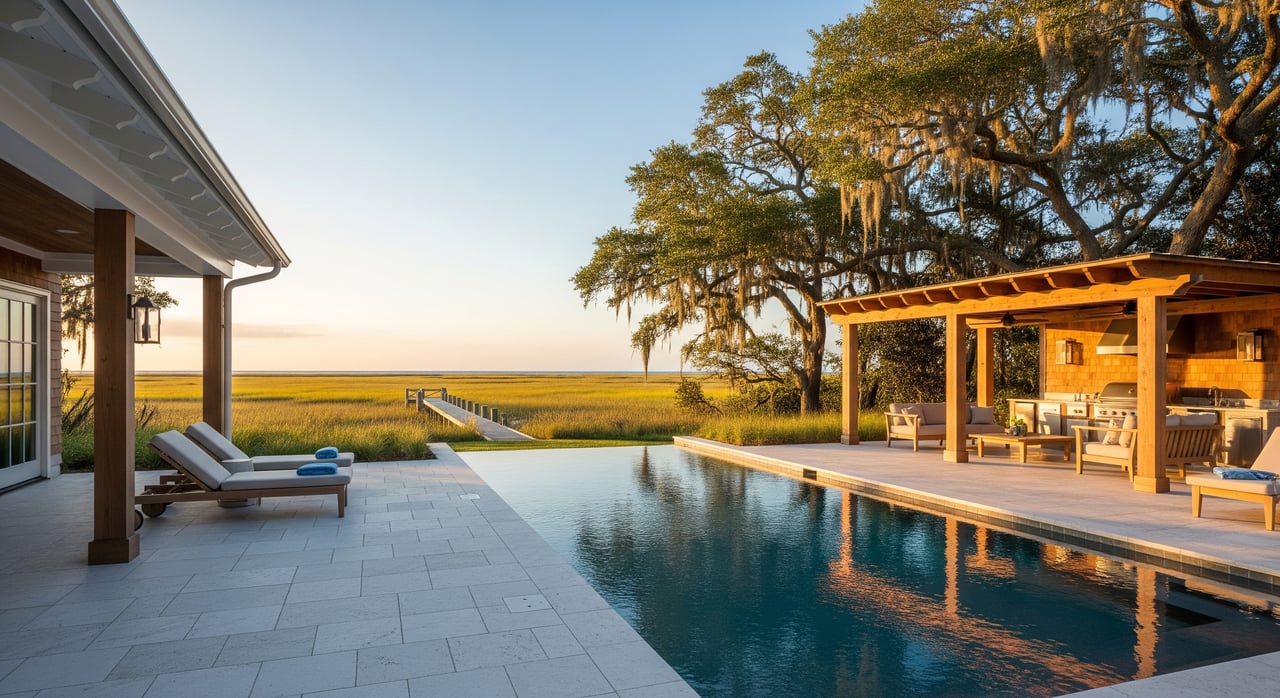
Picture yourself lingering outside after sunset, ceiling fans spinning, no mosquitoes in sight, and dinner sizzling in a protected summer kitchen. That is the Sea Island lifestyle many buyers come for and what sellers can showcase with the right outdoor upgrades. Whether you want a low-maintenance second home or you are preparing to list, you can create spaces that thrive in salt air, humidity, and coastal weather. In this guide, you will learn which features matter most on Sea Island and how to plan them for durability and comfort. Let’s dive in.
Sea Island climate shapes outdoor living
Sea Island sits on Georgia’s coast, where summers are hot and humid and winters are mild. Salt spray, UV exposure, and afternoon thunderstorms are common, and tropical storms can bring high winds during hurricane season from June through November. These conditions make corrosion resistance, quick drying, and solid wind performance essential. When you plan outdoor features with those realities in mind, you extend your usable season and protect your investment.
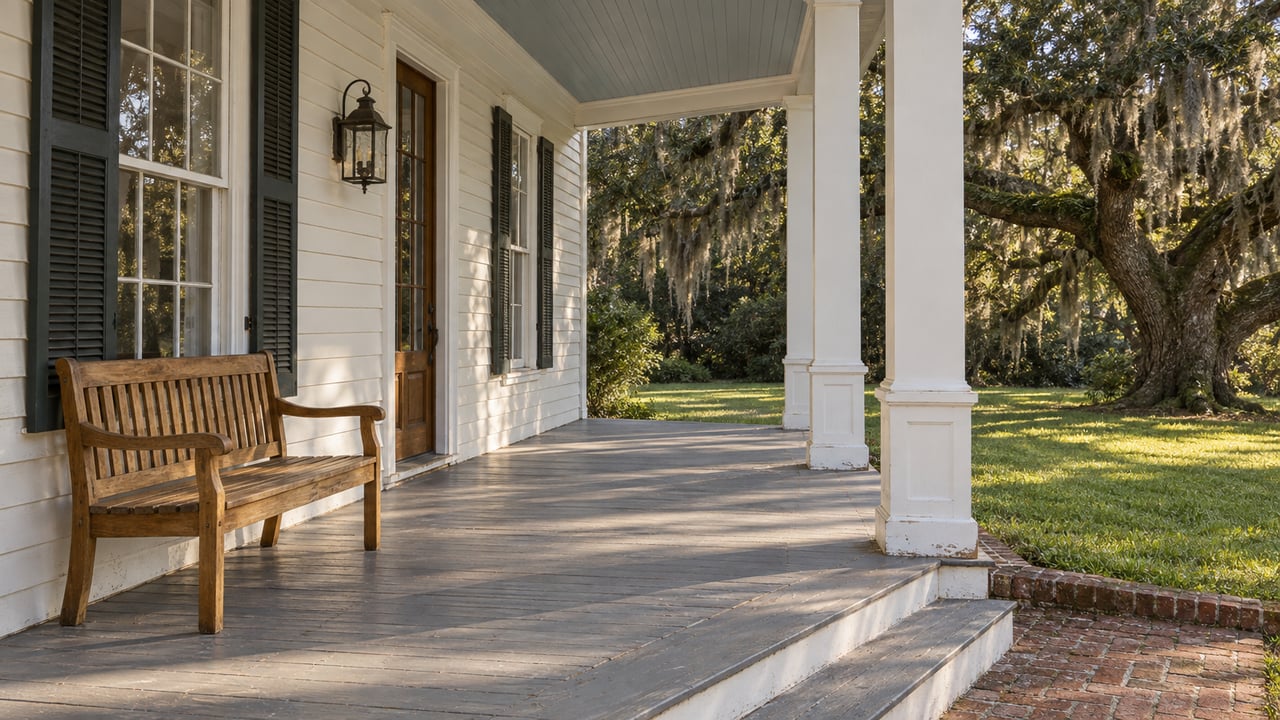
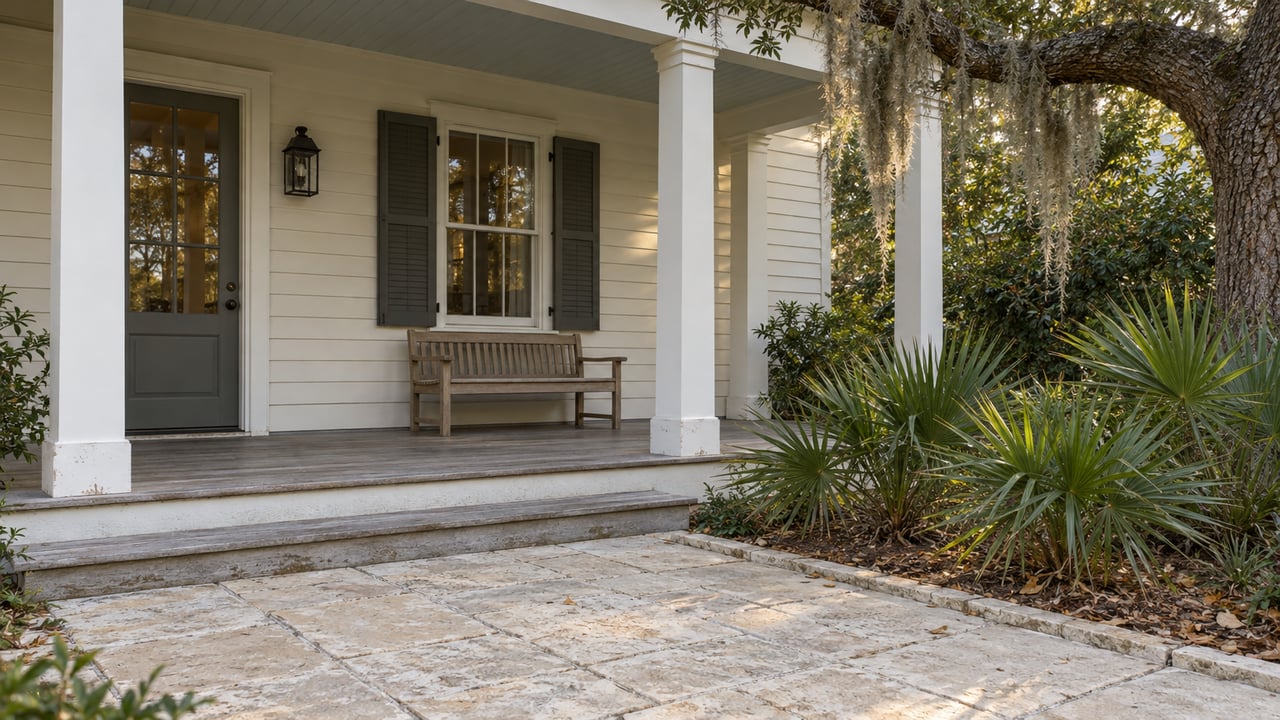
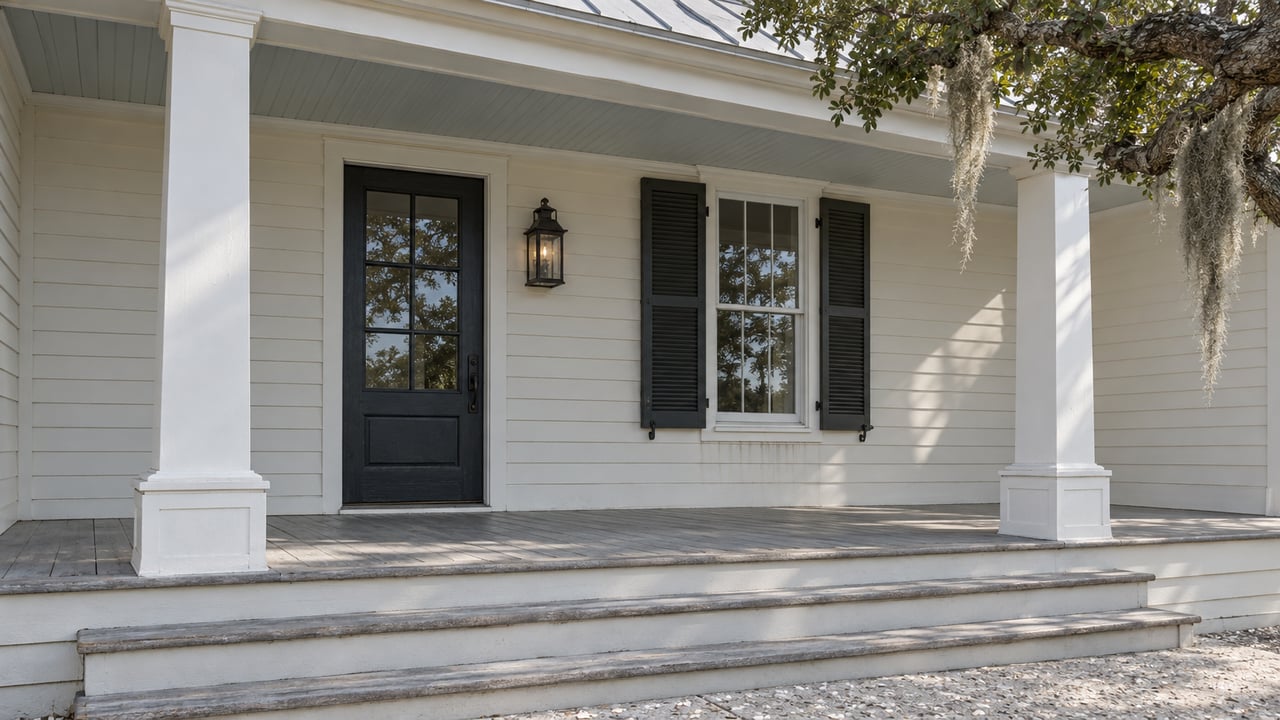
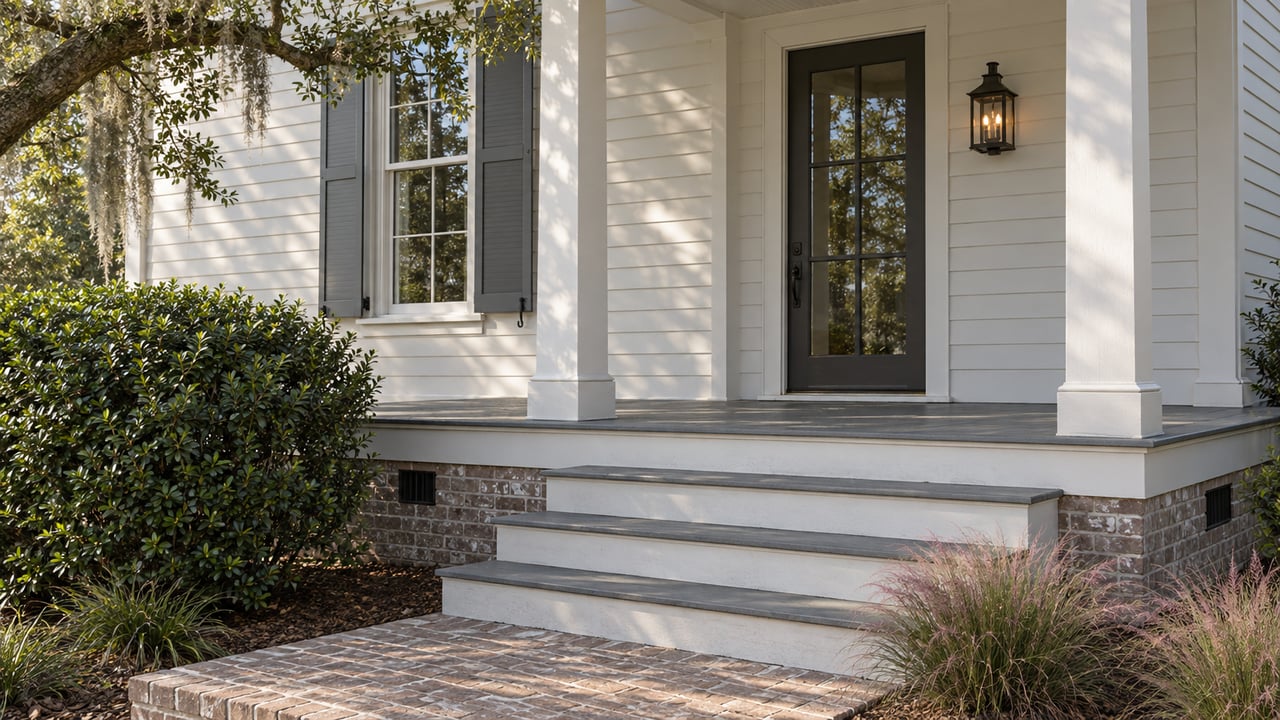
Covered loggias and porches
A covered loggia functions like an outdoor living room, often elevated above flood requirements and set to capture breezes. Buyers love these spaces for shaded lounging, outdoor dining, and seamless entertaining. With fans and discreet heaters, you can use them comfortably most of the year.
Plan details that stand up to salt and wind. Choose durable ceiling finishes and concealed flashing to discourage corrosion. Incorporate hurricane-rated doors or screens where appropriate, and connect the space to your kitchen or service areas for easy hosting.
Screened porches and retractable screens
A screened porch keeps insects out while preserving airflow and views, which is a big win during mosquito season. Options range from fixed screens to retractable systems and finer No-See-Um mesh. Buyers value these as a true extension of the home’s living area.
For longevity, use corrosion-resistant frames and hardware designed for coastal conditions. Consider hurricane-rated screens or removable storm panels to protect openings in wind events. Retractable systems let you open the porch for unobstructed views when bugs are not an issue.
Summer kitchens and entertaining zones
An outdoor kitchen anchors gatherings on Sea Island and complements the relaxed, al fresco lifestyle. Think built-in grill, refrigeration, sink, counter space, and covered seating near the main living areas. When you position the kitchen under a loggia or tucked beneath a roofline, you protect it from rain and salt spray.
Specify outdoor-rated appliances and cabinetry, including marine-grade stainless steel for appliances and fixtures. Gas hook-ups and ventilation must meet local code, and siting may need to align with flood elevation rules. For lock-and-leave living, choose appliances that can be secured or easily winterized and select finishes that clean quickly between visits.
Salt-air-resilient materials that last
Salt and humidity speed up wear, so smart material choices pay off in both looks and maintenance.
- Metals: Use marine-grade stainless steel (316) for appliances, fixtures, and fasteners. Powder-coated aluminum with marine-grade coatings works well for railings and furniture. Bronze or silicon-bronze can also perform in coastal settings.
- Decking: Choose high-quality capped composite or PVC decking to resist rot and corrosion. Avoid leaving standard pressure-treated wood unprotected near salt exposure.
- Siding and trim: Fiber-cement siding and PVC trim boards resist moisture and rot in humid climates.
- Flooring: Porcelain tile or sealed concrete holds up well on porches. Favor slip-resistant textures for wet areas.
- Fabrics: Solution-dyed acrylics for cushions and awnings offer UV and salt resistance.
- Fasteners and coatings: Specify 316 stainless or silicon-bronze fasteners. Use rust-inhibiting primers and marine-grade paints and powder coats.
Pools, spas, and water features
Well-sited pools and spas are highly desirable in luxury coastal homes and can elevate your outdoor living program. Place them to capture views while minimizing windblown sand and salt spray. Integrate covered seating and a nearby porch or loggia for shade and comfort.
Saltwater systems are popular, but salt can accelerate corrosion on metal components. Choose materials accordingly and consult professionals about best practices. Keep pool equipment elevated and ventilated above base flood elevation where required.
Outdoor showers and gear storage
An outdoor shower is a practical favorite for rinsing off sand before heading inside. Mount shower fixtures on exterior walls above flood elevation, and route plumbing to reduce flood risk or use flexible connections. Choose valves and fittings designed for durability in humid, salty air.
Secure, ventilated storage for beach gear, water toys, and even a golf cart adds real convenience for second-home living. Buyers appreciate organized spaces that make it easy to grab and go.
Beach access, docks, and sea walls
Safe, private access to the beach is a major lifestyle benefit, and well-built paths that respect dunes add value. Where properties include docks or sea walls, plan for strict permitting and longer timelines. These projects often involve state and federal resource agencies and require specialized marine contractors.
Before you commit to any shoreline work, understand that environmental review is extensive. Early planning helps you set realistic expectations and avoid delays.
Build for durability and easy upkeep
Small design choices go a long way against salt and moisture. Detail overhangs and flashings to shed water and keep structure dry. Allow cross-ventilation through elevated porches and loggias to speed drying and reduce mildew.
Secure anchorage for pergolas, shade structures, and outdoor fixtures improves performance in high winds. Movable storm protection, such as rated shutters and reinforced doors, protects openings and can help with insurability.
Routine care is simple but important. During high-spray months, rinse exposed metal and painted surfaces with fresh water. Inspect fasteners, railings, and deck connections annually and replace corroded parts with marine-grade components. Clean and store outdoor fabrics between long gaps in use, and recoat metal finishes as recommended by manufacturers.
Permits, insurance, and compliance
Sea Island properties can fall within FEMA flood zones such as V or AE, which influence finished-floor elevations, foundation types, and flood-resistant methods. Glynn County oversees building permits and inspections, including wind load, flood elevation, and gas work for outdoor kitchens. Many neighborhoods also have private design review or HOA guidelines that govern materials, colors, and placement of exterior features.
Insurance is closely tied to mitigation. Elevated utilities, wind-resistant construction, and rated shutters or impact openings can improve insurability and premium outcomes. Before you start, confirm local requirements and any community architectural review so your plans move smoothly.
Smart budgets and resale ROI
Budget ranges vary by scope, but a few rules of thumb hold steady. Screened porches and retractable screens sit in a moderate range. Covered loggias with finished ceilings and fans are moderate to high. High-end outdoor kitchens with built-in appliances and stone tops are typically high, and docks or sea walls are very high and take longer due to permitting.
For resale on Sea Island, prioritize durable, low-maintenance systems over purely cosmetic upgrades. Buyers respond to covered outdoor living rooms, practical insect control, and outdoor kitchens that are protected and code-compliant. Materials that signal quality in salty air, like marine-grade hardware and composite decking, help reduce upkeep concerns.
Quick checklists
For sellers planning upgrades
- Add a covered loggia or enhance an existing porch with fans, heaters, and durable finishes.
- Install a practical, outdoor-rated summer kitchen under cover with marine-grade appliances.
- Create a screened porch that functions as an extra living room with corrosion-resistant frames.
- Specify 316 stainless fasteners, composite or PVC decking, fiber-cement siding, and salt-resistant fabrics.
- Confirm flood elevation, county permits, and any Sea Island or HOA design review before work starts.
For second-home buyers evaluating a property
- Look for covered, shaded outdoor rooms and screened areas for bug-free evenings.
- Check appliance and hardware specifications for marine-grade ratings and ease of maintenance.
- Review deck, siding, and trim materials for coastal durability and low upkeep.
- Ask about flood zone, elevation, and any storm protection like shutters or rated openings.
- Factor in routine care such as fresh-water rinsing, annual inspections, and fabric maintenance.
Ready to plan your Sea Island outdoor space?
If you want an outdoor living setup that looks beautiful and holds up to salt, sun, and storms, thoughtful design and materials make all the difference. Whether you are prepping to sell or curating a turnkey second home, you can create spaces that welcome guests, work with the climate, and signal quality to discerning buyers. If you would like a local perspective on which features will best serve your goals and your property, reach out to Christal Kuchar to talk through next steps.
FAQs
What outdoor features add the most value on Sea Island?
- Covered loggias, screened porches, and protected summer kitchens rank high with buyers because they extend living space and support comfortable entertaining.
Which materials hold up best in salt air?
- Marine-grade stainless steel (316), powder-coated aluminum with coastal-rated coatings, composite or PVC decking, fiber-cement siding, PVC trim, and solution-dyed acrylic fabrics perform well.
Are screened porches worth it in a humid, buggy climate?
- Yes. Quality screens, including fine No-See-Um mesh, significantly increase usable time outdoors and improve comfort during mosquito season.
How should I site an outdoor kitchen for durability?
- Place it under a covered area to limit salt and rain exposure, use outdoor-rated appliances and cabinets, and follow gas and electrical codes with required flood elevation clearances.
What maintenance should I expect for coastal outdoor spaces?
- Rinse exposed surfaces with fresh water during high-spray periods, inspect and replace corroded fasteners annually, clean and store fabrics between long gaps, and recoat metals per manufacturer guidance.
Do I need special permits for docks or shoreline work?
- Yes. Expect local permitting plus state and possibly federal reviews, longer timelines, and the need for specialized marine contractors.