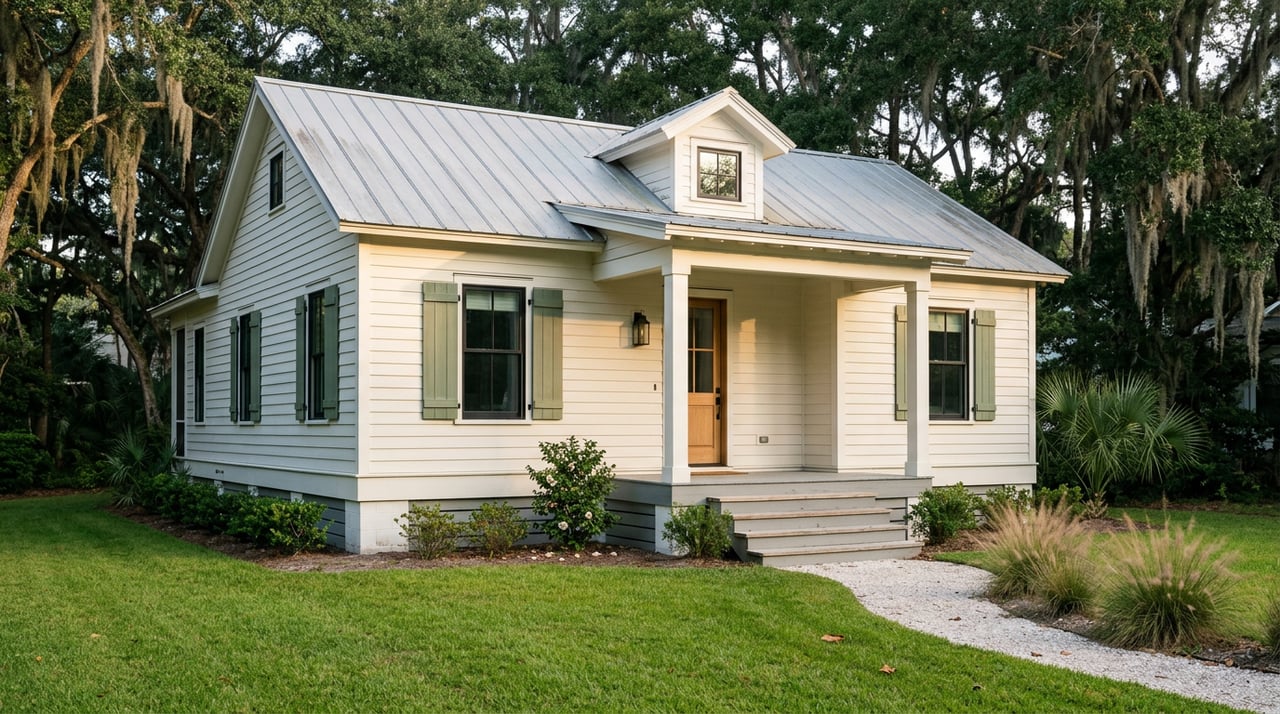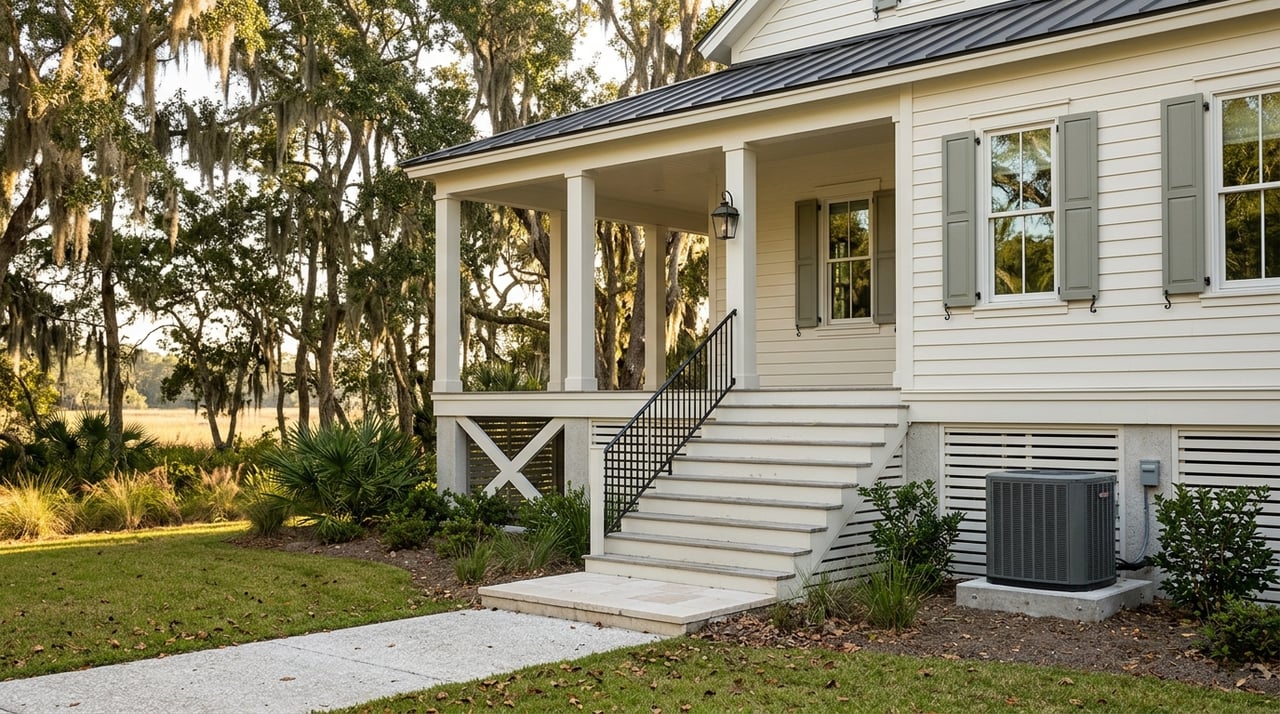
Water views can be captivating, but in Darien, not all waterfront properties work the same way. If you are thinking about buying a marshfront or riverfront home in the 31331 area, the details behind the view matter just as much as the setting itself. From flood zones and elevation to dock permits and insurance, understanding the difference can help you buy with more confidence. Let’s dive in.
Marshfront vs. Riverfront Basics
In Darien and greater McIntosh County, marshfront and riverfront are not interchangeable terms. According to McIntosh County flood safety guidance, parts of Darien face river flooding, canal flooding, and hurricane-related flooding, which means each waterfront property needs to be evaluated on its own merits.
In practical terms, marshfront properties often appeal to buyers who want broad views, privacy, and a strong sense of Lowcountry setting. Riverfront properties may offer those same features, but they are more often tied to direct boating access, dock potential, and shoreline improvements. That difference can affect everything from permitting to long-term ownership costs.
Another important point is ownership at the water’s edge. Georgia DNR describes tidal water bottoms and marshlands as public trust lands controlled by the state, so the shoreline next to a property is not always the same as private, usable yard space. That is one reason waterfront due diligence in Darien should go beyond the listing description.
Flood Zone Checks Matter
If you are buying marshfront or riverfront in Darien, flood zone verification should be one of your first steps. The official places to start are the FEMA Map Service Center and Georgia DFIRM viewer, but Georgia EPD notes that the state viewer is a reference tool and that official NFIP determinations should rely on the published effective FIRM.
McIntosh County advises buyers to confirm both the flood zone and the base flood elevation for the exact address. The county also keeps elevation certificates for structures built in the floodplain, which can be extremely helpful when you are reviewing a home’s history, insurability, and rebuild standards.
Even if a property is marketed as Zone X, it is still smart to verify that claim independently. McIntosh County also notes that homes and certain structures in special flood hazard areas should be built one foot above the base flood elevation, and the county flags the 50 percent rule for substantial damage or major renovation. Those are not small details if you plan to remodel after closing.
FEMA also reports that one-third of NFIP claims from 2013 to 2023 came from outside current high-risk flood areas. In other words, a lower-risk map designation does not mean zero risk.
Questions to Ask About Flood Risk
Before you move forward on a Darien waterfront property, ask questions like these:
- What flood zone is the lot or home in?
- What is the base flood elevation for this address?
- Is an elevation certificate available?
- Has the home already been elevated to county standards?
- Is any Zone X marketing claim backed by the effective FEMA map?
- Were there any major repairs or renovations that could trigger the county’s 50 percent rule?
Elevation Can Change the Equation
Elevation is one of the most important pieces of the Darien waterfront puzzle. A marshfront parcel advertised as high bluff or higher elevation may offer a very different ownership experience than a lower-lying lot near a river or canal edge.
That does not automatically make one better than the other. It simply means your buying decision should consider how elevation affects buildability, flood insurance needs, design flexibility, and future maintenance.
For example, a property that looks ideal from the road may still need deeper review if the structure sits in a floodplain or if the lot’s usable building area is more limited than the photos suggest. In Darien, address-level verification is worth the effort.
Dock Permits Are Not Automatic
For many buyers, the dream of waterfront living includes a private dock. In Darien, that is where expectations need to meet the actual permitting process.
According to Georgia DNR Coastal Resources Division, a private recreational dock in tidally influenced waters requires the Individual Permit process and submission to both CRD and the U.S. Army Corps of Engineers Savannah District. If a dock will be shared by more than four waterfront residents, or by any non-waterfront residents, the project moves into the Coastal Marshlands Protection Act application process.
DNR also states that CMPA can apply to marinas, community docks, bridges, dredging, bank stabilization, and modifications to existing structures. So if you are buying with plans to add or expand waterfront improvements later, the property’s permit history matters.
What Buyers Should Review
McIntosh County’s dock permit application asks for the parcel number, zoning, flood zone, and property dimensions. That gives you a good sense of how many moving parts are involved.
Before you buy, ask for:
- Any prior dock permits or applications
- Plans for existing docks, walkways, or shoreline structures
- Records of denied permits, if any
- Details on shared-use arrangements
- Information on bank stabilization work
DNR notes that work below the high tide line or within marsh jurisdiction needs written approval from both DNR and the Army Corps. It also notes that revocable licenses over state-owned water bottoms can be issued and later revoked. So if boating access is a major priority for you, this should be confirmed early, not assumed.
Insurance Is a Separate Cost
Waterfront buyers sometimes focus on taxes and homeowners insurance, but flood coverage deserves its own review. FEMA states that most homeowners insurance policies do not cover flood damage, and flood insurance through FEMA and the NFIP is a separate policy.
The NFIP brochure notes that a single-family home can carry up to $250,000 in building coverage and $100,000 in contents coverage. FEMA also states that policies usually have a 30-day waiting period, which matters if you are trying to line up coverage close to closing.
Flood insurance may still be available outside high-risk zones, which is especially relevant in Darien because marshfront and river-adjacent properties do not all fall into the same risk category. When you compare two homes with similar price tags, insurance cost can become a meaningful differentiator.
Darien Waterfront Price Ranges
Darien’s waterfront market includes more than one price point. Based on active listings cited in the research, the market generally breaks down like this:
| Price Range | What You May Find |
|---|---|
| Under $100,000 | Mostly land or marsh-view lots |
| $100,000 to $250,000 | Larger parcels and some marshfront or river-adjacent land |
| $350,000 to $550,000 | Condos and smaller water-oriented homes |
| $750,000 and up | Larger riverfront homes or acreage with premium exposure |
Examples in the report range from Carnochan Dr Lot 14 at $37,500 and Hudson Creek Dr SE Lot 8 at $79,000 to 601 Fort King George Dr at $750,000, 2486 Mission Dr SE at $849,900, and 1156 Snows Ln SE at $1.395 million. The current Darien waterfront listing snapshot referenced in the research also shows 34 waterfront homes with a median listing price of $328,000.
The takeaway is simple: Darien waterfront is not reserved only for the highest price tier. You can find entry points at the lot level, mid-range options with water orientation, and premium properties with more extensive frontage or access.
Darien vs. Nearby Coastal Markets
If you are comparing Darien with other coastal areas, price alone does not tell the full story. The research report notes that Darien’s average home value is about $276,567, while Brunswick is about $254,063, St. Simons Island is about $690,052, and Sea Island has a current median listing price around $6.51 million.
That makes Darien a more accessible coastal entry point for many buyers, especially those who want waterfront potential without jumping straight into the much higher price bands found on St. Simons Island or Sea Island. Brunswick may be somewhat less expensive overall, but it offers a different waterfront product and ownership experience.
The smarter comparison is not just purchase price. It is purchase price plus flood zone, elevation, dockability, insurance, and shoreline maintenance. In Darien, those carrying costs can shape the true value of the property over time.
A Smart Buyer Checklist
When you tour marshfront or riverfront homes in Darien, keep this checklist handy:
- Verify the flood zone using the effective FEMA map
- Confirm the base flood elevation for the exact address
- Ask whether an elevation certificate is on file
- Review permit history for docks and shoreline work
- Confirm whether marsh access or boating access is legally permitted
- Ask about flood insurance options and estimated cost
- Clarify whether the shoreline edge includes public trust land considerations
- Evaluate future maintenance needs for docks, banks, and waterfront structures
A beautiful view can absolutely be part of a smart purchase. The key is making sure you understand what comes with it.
If you are weighing waterfront options in coastal Georgia and want clear, practical guidance, Christal Kuchar can help you sort through the details, compare opportunities, and move forward with confidence.
FAQs
What is the difference between marshfront and riverfront homes in Darien?
- Marshfront properties are often valued for views, setting, and elevation, while riverfront properties are more often associated with direct boating access, docks, and added shoreline considerations.
How do you verify a flood zone for a Darien waterfront property?
- Start with the FEMA Map Service Center or Georgia DFIRM viewer, then confirm the effective flood map, base flood elevation, and any elevation certificate or county records for the specific address.
Do Darien riverfront properties automatically allow private docks?
- No. Georgia DNR says private recreational docks in tidally influenced waters require permits, and some projects may also fall under Coastal Marshlands Protection Act review.
Does homeowners insurance cover flooding in Darien?
- Usually not. FEMA states that flood insurance is generally a separate policy from standard homeowners insurance.
Are Darien waterfront homes only for luxury buyers?
- No. Current listing examples in the research show options ranging from lower-priced lots to mid-range condos and homes to higher-end riverfront properties.
What should buyers ask before purchasing a waterfront home in McIntosh County?
- Ask about flood zone, base flood elevation, elevation certificates, dock permit history, shoreline work approvals, insurance needs, and any limits tied to marsh jurisdiction or public trust land.