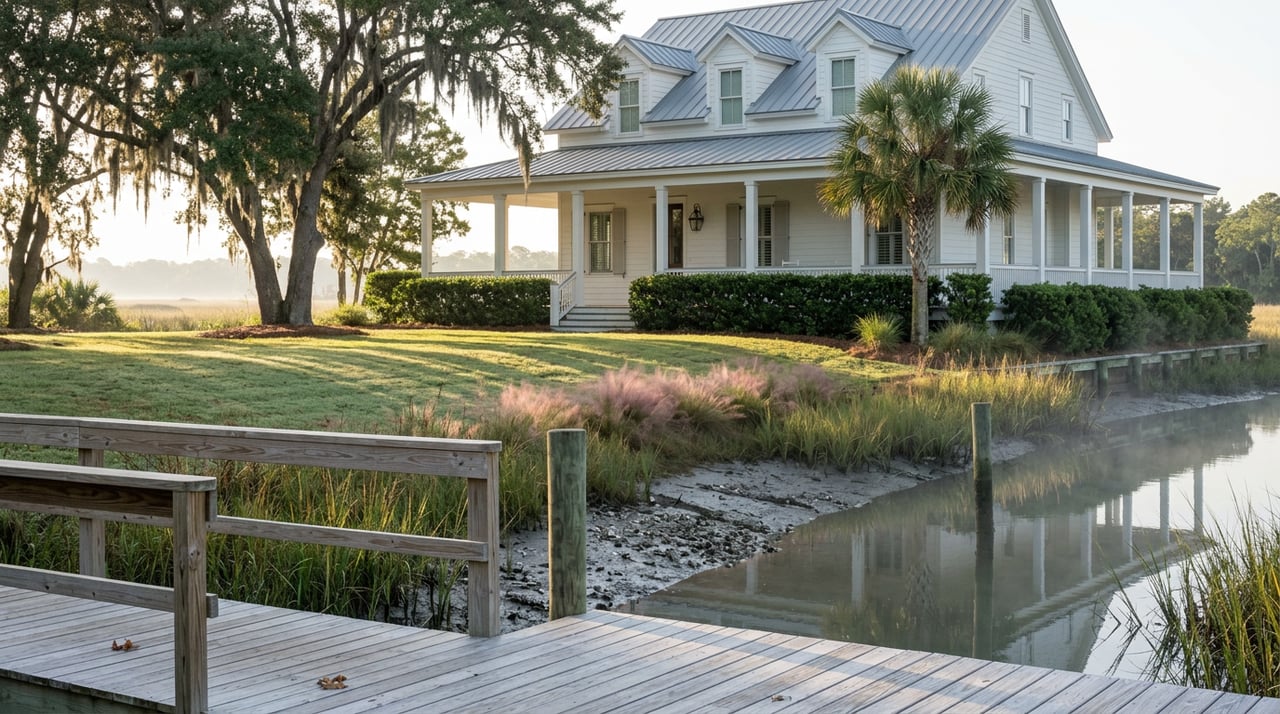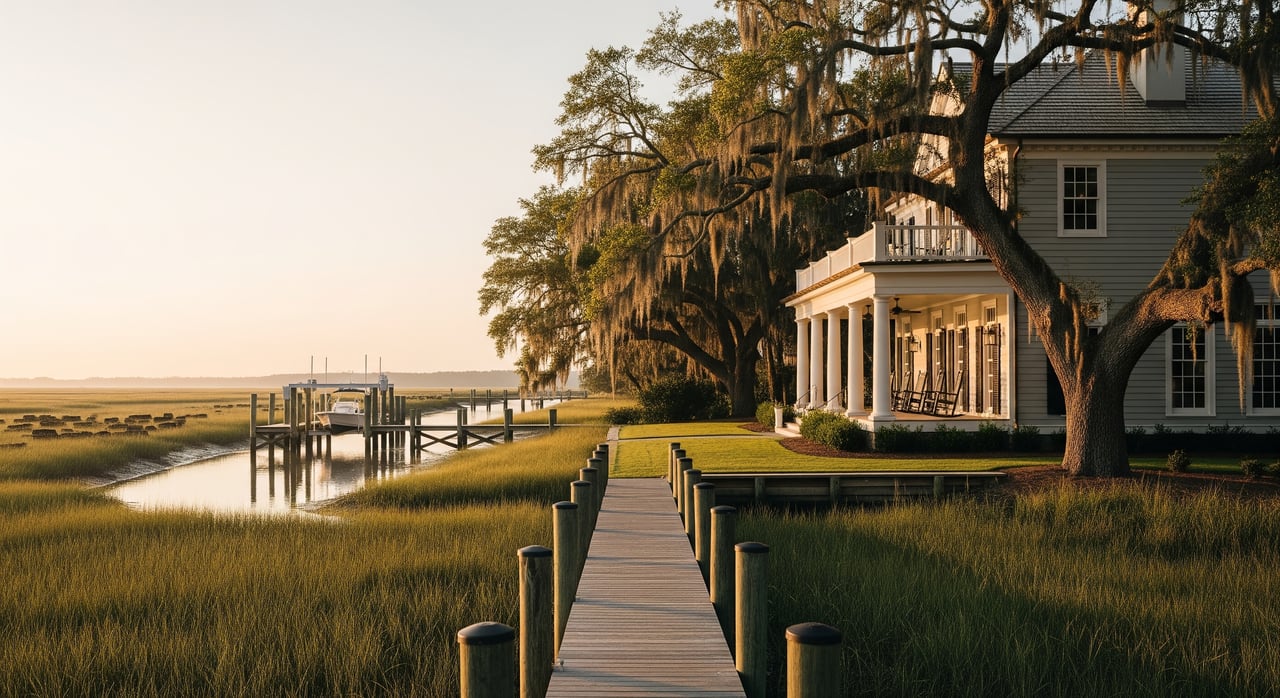
Thinking about moving to Darien on Georgia’s coast? You’re not alone. This small riverfront town draws people who want slower-paced living, access to marsh and water, and a more affordable entry point to the Golden Isles lifestyle. Still, coastal costs can surprise newcomers if you only look at the purchase price or base rent.
In this guide, you’ll learn what shapes the cost of living in Darien, how housing and insurance work on the coast, what to expect for utilities, commuting, and everyday expenses, and how to build a realistic budget for your household. You’ll also get links to trusted resources so you can fact-check address-specific items like flood risk and internet availability. Let’s dive in.
Darien at a glance
Darien is the county seat of McIntosh County, a rural coastal area with deep maritime roots. You’ll find historic cottages near downtown, modest single-family homes on town lots, manufactured homes, and higher-priced marsh or riverfront properties. The local economy mixes commercial fishing, tourism, and services, with both year-round residents and seasonal visitors.
Because the market is small, inventory can feel tight compared with nearby metros. Short-term rentals around holidays and summer may reduce long-term rental choices for a time. Waterfront homes, private-boat-access lots, and move-in ready properties often carry premiums. Flood exposure, elevation, and wind coverage also affect total annual carrying costs.
Housing costs: buy or rent
What shapes prices
In Darien, your cost is shaped by property type, location, and risk profile. Historic district homes may have preservation rules that affect renovation budgets. Waterfront and river-access lots tend to carry higher prices. Flood zone status and elevation can drive insurance decisions and premiums, which changes your monthly payment more than many buyers expect.
Before you fall in love with a listing, check the property’s flood map status through the FEMA Flood Map Service Center. If a home sits in a Special Flood Hazard Area, most federally backed loans require flood insurance. Even outside those zones, many buyers choose a policy for peace of mind.
Renting in a small coastal market
Long-term rentals typically include small homes and cottages, along with a limited number of larger family homes. Because this is a small market, options may ebb and flow with seasonal demand. It helps to start your search early, confirm whether a property allows pets, and ask about renter’s insurance requirements. If you are timing a summer move, plan ahead since some homes pivot to short-term rental in peak months.
Owning: costs beyond the mortgage
When you estimate ownership costs, look beyond principal and interest:
- Property taxes. Review county rates and examples through the McIntosh County Tax Assessor. Millage and assessed value determine your bill.
- Home insurance and flood. Your lender may require both. Flood premiums depend on elevation, mitigation, and claims history. Start with FEMA maps, then get quotes from coastal-savvy insurers.
- Utilities and systems. Some rural properties use septic and private wells. Budget for septic pumping and maintenance, plus electricity and any propane.
- HOA and maintenance. If applicable, include dues, hurricane prep supplies, routine pest control, and a monthly reserve for roof, HVAC, and storm-readiness.
Utilities and internet
Electricity, water, and septic basics
Expect higher electric use in hot months because of air conditioning. Water and sewer may be through municipal services in town, while many rural addresses rely on private wells and septic. If you are considering a home with septic, factor in regular pumping and the possibility of drain-field repairs over time.
To get a sense of seasonal power patterns statewide, you can reference residential data from the U.S. Energy Information Administration. For local water and sewer rates, check with municipal or county public works before you sign a lease or contract.
Internet availability checklist
Reliable broadband is essential, especially for remote work. Availability varies by address. Use this quick process:
- Check the specific address on the FCC National Broadband Map to see available providers and advertised speeds.
- Cross-check state resources through the Georgia Broadband Program for project updates and provider information.
- Call providers to confirm service tiers at the address, then ask neighbors about real-world speeds.
- Consider a backup connection, such as a higher-tier mobile hotspot, if you work from home.
Transportation and commuting
McIntosh County is car dependent for daily life. U.S. 17 is the primary corridor linking Darien with nearby towns. Many residents drive to larger retail hubs and medical appointments. If you plan periodic trips to Savannah or Brunswick, build fuel, insurance, maintenance, and parking into your monthly plan. Remote workers who still travel to a metro office a few times a month should estimate miles and fuel using their vehicle’s MPG and local gas prices.
Groceries, dining, and services
In small coastal towns, grocery aisles may be narrower for specialty products. Some residents do bulk trips to larger nearby cities for selection and pricing, then use local markets for weekly staples. Dining ranges from casual seafood to family-friendly spots. Outdoor recreation is a value play here, with marsh views, fishing, and boating access shaping weekend plans. If you budget for meals out and entertainment, you can enjoy local favorites while sticking to your monthly goals.
Healthcare access
Rural healthcare often means primary care and urgent care close by, with trips to larger hospitals for specialized services. When you map your move, note drive times to your preferred providers and pharmacies. For a county-level view of facilities and health resources, start with the Georgia Department of Public Health’s county profiles. This helps you understand where you might go for routine visits, specialty appointments, and emergencies.
Childcare and schools
McIntosh County is served by the local public school district. Enrollment tends to be smaller than in big metros, which can mean closer-knit campuses and limited specialized programs. For neutral, data-based information, review the McIntosh County School District and the Georgia Department of Education school report cards. If you need childcare, plan ahead since options in small communities can be limited and waitlists are common.
Taxes and insurance basics
Georgia has a state income tax and a combined state and local sales tax that varies by jurisdiction. For current rules and rates, consult the Georgia Department of Revenue. Property tax bills depend on assessed value and local millage, which you can research through the McIntosh County Tax Assessor.
On the coast, insurance planning is essential. Many homes will require a wind policy and, depending on location and loan type, flood insurance. To verify flood zones and learn how coverage works, use the FEMA Flood Map Service Center. If you are renting or buying near the marsh or river, obtain written quotes before you finalize your budget.
Hidden and seasonal costs to plan for
- Septic and well service for rural homes.
- Pest and termite treatments common to coastal climates.
- Hurricane preparedness supplies like generators, shutters, and yard cleanup.
- Seasonal cooling bills and potential wind coverage surcharges.
- Extra fuel and time for trips to larger cities for specialty shopping or care.
Build your Darien budget
Step-by-step method
Use this framework to build a monthly plan that fits your household:
- Housing total. Add rent or mortgage, property tax, homeowner’s insurance, estimated flood premium, HOA dues if any, and average utilities.
- Transportation. Add car payments, fuel, insurance, and maintenance. If you commute to a nearby city, multiply roundtrip miles by trips per month and current local gas price.
- Groceries and dining. Use a per-person estimate and adjust after your first month of receipts.
- Healthcare. Include premiums, typical copays, prescriptions, and any recurring therapy.
- Childcare and school costs. Add daycare, after-school, sports fees, and supplies.
- Internet and mobile. Choose a plan that meets work and streaming needs, plus a backup if you work from home.
- Emergency and maintenance reserve. Set aside a monthly amount, especially for older or waterfront homes.
As a rule of thumb, compare your total housing carrying cost to your monthly take-home pay to judge affordability. Remote workers should prioritize consistent high-speed internet and a modest home office budget.
Example scenarios to model
Use these templates with current local numbers from listings, insurance quotes, and utility providers. Do not forget to date your sources.
Template A: Small family renting a 3BR in town
- Rent
- Utilities, including electric and water
- Internet and phone
- Transportation for two cars, fuel, insurance
- Groceries
- Childcare or after-school
- Savings and emergency fund
- Note: ask about renter’s insurance and seasonal rent shifts.
Template B: Buying a modest 3BR on an inland lot
- Mortgage based on your target price
- Property taxes
- Homeowner’s insurance and estimated flood premium if near marsh or river
- Utilities and septic or well maintenance
- Commuting and internet
- Maintenance reserve for roof, HVAC, and storm prep
Template C: Remote worker optimizing cost and bandwidth
- Rent or mortgage for a small house or duplex
- High-tier residential internet plan
- Backup power like a UPS or portable generator
- Occasional co-working or day office in a nearby city
- Local amenities and client travel
Quick checks before you commit
- Flood and wind. Confirm flood zone status on FEMA maps, then get two to three insurance quotes.
- Broadband. Verify address-level availability on the FCC map, and confirm with providers and neighbors.
- Taxes. Review county property tax examples and estimate this year’s bill based on assessed value.
- Water and sewer. Ask for recent utility bills or rate sheets. If septic, request service records.
- Commute. Test-drive key routes at your expected travel times on U.S. 17.
Next steps and local help
If Darien’s coastal lifestyle fits your goals, line up your numbers, then tour homes that match your budget and risk comfort. Use FEMA and FCC resources to verify address-specific details, and gather written insurance and utility quotes before you make an offer. When you are ready for on-the-ground guidance, connect with a local expert who knows how to balance price, flood and wind coverage, and day-to-day livability.
Have questions or want help building a move-ready plan for Darien and the wider Golden Isles area? Schedule a Free Consultation with Christal Kuchar to get neighborhood-level advice, curated listings, and a clear path to your next home.
FAQs
Is Darien more affordable than nearby cities?
- Generally yes for purchase prices and rents, but waterfront premiums and coastal insurance can narrow the gap. Compare total monthly carrying costs, not just list prices.
How critical is flood insurance for Darien homes?
- It is very important for many coastal properties. If a home is in a FEMA Special Flood Hazard Area and uses a federally backed loan, flood insurance is required.
Can I work remotely from Darien with reliable internet?
- Often yes, but it varies by address. Confirm service and speeds with the FCC map and providers, and consider a backup connection if you work from home.
What hidden costs surprise newcomers most?
- Septic maintenance, wind and flood coverage, hurricane prep supplies, and longer trips to larger cities for specialty shopping or medical care.
How do I estimate Darien rent if listings are limited?
- Use live listings as reference and benchmark against HUD Fair Market Rent ranges for nearby areas, then confirm with current local availability and lease terms.