Trying to choose between a condo, cottage, or townhome on St. Simons? It sounds simple until you realize each option can change your day-to-day lifestyle, upkeep, and costs in very different ways. If you want to live near the beach, keep maintenance manageable, and make a smart purchase for how you actually plan to use the property, this guide will help you sort through the tradeoffs with confidence. Let’s dive in.
Why your St. Simons location matters first
On St. Simons Island, the property type is only part of the decision. Your location often shapes your lifestyle just as much as the home itself.
The south end of the island centers around Pier Village, which the Golden Isles tourism bureau describes as a hub for shopping, waterfront dining, live music, and family attractions. Shopping is also clustered in areas like Shops at Sea Island, Redfern Village, Pier Village, and Retreat Plaza. Glynn County also identifies East Beach and Coast Guard Beach as public beach access points with parking, restrooms, ADA mats, and a surf-warning light system.
That setup matters because St. Simons can feel very different depending on where you buy. If you want easy access to beach areas, village spots, and walkable amenity clusters, a smaller home with less upkeep may be the better fit. If you prefer more privacy and a more self-directed lifestyle, a detached property may make more sense.
Condo living on St. Simons
A condo is often the easiest fit if you want low exterior maintenance and a convenient island lifestyle. On St. Simons, that can be especially appealing near Pier Village or beach-access areas where walkability matters.
Under Georgia condominium law, the association generally handles maintenance, repair, renovation, restoration, and replacement for common elements. The individual owner is generally responsible for the unit and any limited common elements unless the condominium documents say otherwise.
That means condo ownership is rarely as simple as “the HOA handles everything.” The real answer depends on the recorded condominium instruments, so you need to know exactly where the association’s responsibility ends and yours begins.
What a condo may offer you
If your goal is convenience, condos can be a strong option. They often work well for buyers who care more about beach access, nearby dining, and less exterior work than about having a private yard.
Condos are also a practical choice for many second-home buyers and downsizers. If you want to lock up and leave more easily, the condo model may fit your routine better than a detached home.
What to check before buying a condo
Georgia law gives condo associations the power to assess common expenses, and unpaid amounts can become a lien. That is why monthly dues are only part of the financial picture.
You should also review the association’s insurance information carefully. Georgia law requires association-level property coverage for condominium buildings and structures, including common elements and items such as foundations, roofs, exterior walls, windows, and doors, but the exact interior and loss exposure for the owner still matters.
Georgia law also says a condo owner may not change the exterior appearance of the unit or other condominium property except as the condominium instruments allow. If exterior flexibility matters to you, condo rules deserve close attention.
Cottage living on St. Simons
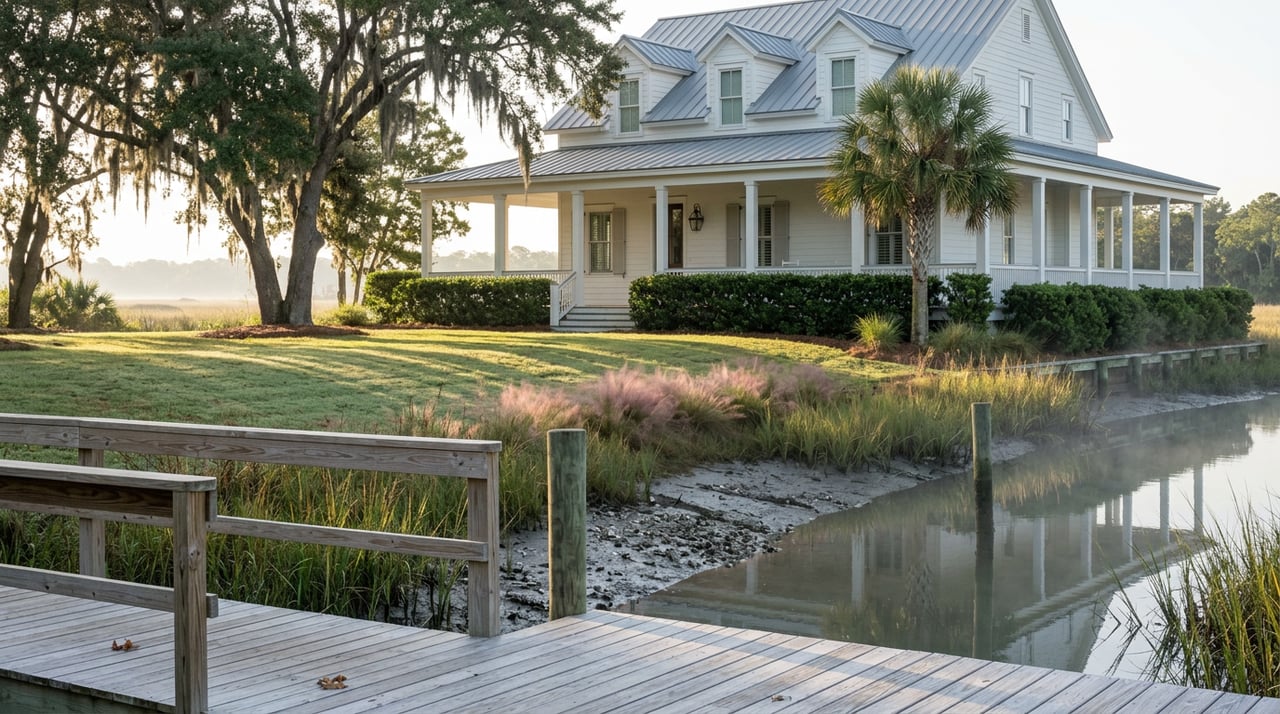
On St. Simons, “cottage” is often more of a style term than a legal category. The bigger question is whether the home is a true detached fee-simple property or whether it is still part of a development with an owners association.
A cottage usually appeals to buyers who want a more private, house-like feel. You may get more separation from neighbors, more control over your space, and less shared-wall living than you would with a condo or some townhomes.
Why cottages feel different
In practice, cottages often appeal to buyers who want autonomy. If private outdoor space, a detached layout, or a more traditional single-home feel matters most, a cottage may be the best match.
That said, detached does not always mean rule-free. Georgia’s property owners association law allows associations in planned developments to manage common areas, add improvements, and control exterior-appearance changes when the governing documents allow it.
What to check before buying a cottage
If a St. Simons cottage sits inside a POA community, you may still have dues, shared-amenity obligations, and approval requirements for exterior changes. You should never assume that a detached home has no association restrictions.
The other tradeoff is maintenance. Compared with a condo, a cottage usually puts more of the upkeep burden on you as the owner, which can affect your budget, time, and long-term planning.
Townhome living on St. Simons
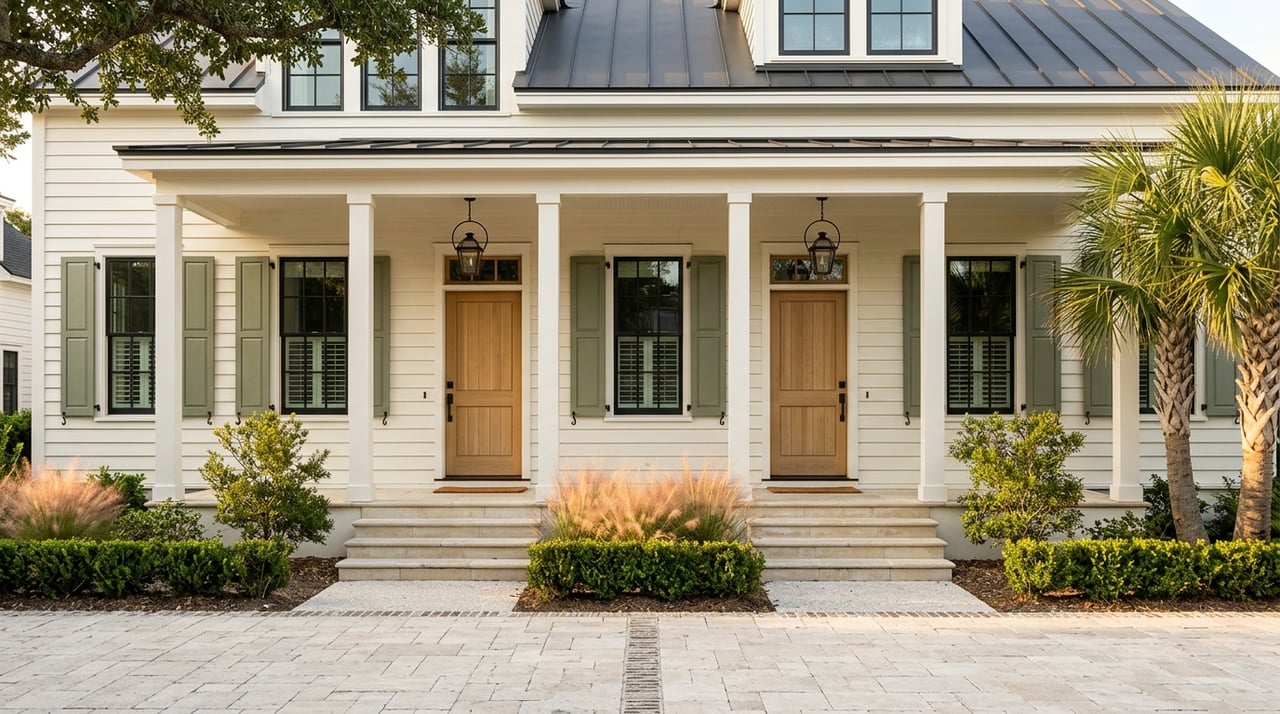
Townhomes often sit in the middle ground between condos and cottages. If you want a property that feels more like a house than a condo but still offers some shared-ownership efficiencies, a townhome can be worth a serious look.
For many buyers, this is the balance point. You may get more living space and a more residential feel than a condo, while taking on less maintenance responsibility than a detached cottage.
Why townhomes can be a strong compromise
Townhomes can work well if you want structure without giving up too much privacy. They are often a practical fit for buyers who want more room but still appreciate some association-managed responsibilities.
Under Georgia POA law, associations may maintain common areas, approve or deny exterior-appearance changes, and assess common expenses and reserves. Unpaid assessments can also become a lien against the lot.
What to check before buying a townhome
The biggest thing to remember is that the marketing label is not enough. The actual split of responsibilities depends on the recorded declaration and HOA documents.
Before you buy, confirm who handles the roof, exterior surfaces, landscaping, and any shared spaces. A townhome may be lower maintenance than a detached property, but the exact terms can vary quite a bit from one community to another.
Flood risk can change the answer
On St. Simons, flood risk is not a side issue. It can affect your insurance costs, renovation plans, and even whether one property type makes more sense than another.
Glynn County says homeowners insurance does not cover flooding. The county also says flood insurance is available through the National Flood Insurance Program, rates depend on flood zone, and there is a 30-day waiting period before a policy becomes effective.
For many buyers, that means flood zone, elevation, and insurance cost should be part of the decision from the start. A property that looks perfect on paper can feel very different once you understand the flood insurance picture.
Local flood facts to review
Glynn County says unincorporated Glynn County is a Class 5 CRS community, which gives residents with flood insurance a 25 percent discount on premiums. The county also says its GIS property map can be used to check flood zone status by address.
The county also notes that floodplain properties may need permits for development or alterations. Substantial improvements or repairs that equal or exceed 50 percent of the building’s market value can trigger new-construction standards.
Five questions to ask before you choose
If you are stuck between a condo, cottage, and townhome, these five questions can help you narrow the choice fast:
- Who maintains the roof, exterior, landscaping, and shared areas?
- What does the association master policy actually cover?
- Is the property in a flood zone, and what will flood insurance cost?
- Are there any special assessments or reserve issues?
- How much freedom do you want for exterior changes or seasonal use?
These questions matter because Georgia condo and POA statutes often defer to the recorded documents. In other words, what the listing calls the property is less important than how ownership actually works.
Which option fits your lifestyle best
If you want the most walkability and the least exterior upkeep, a condo often makes the most sense on St. Simons, especially near Pier Village or beach-access areas. If privacy, detached ownership, and more control over the property matter most, a cottage may be the better fit.
If you want something in between, a townhome often offers the strongest middle-ground option. You may get a more house-like feel with some shared maintenance benefits, but you still need to review dues, rules, and assessment exposure.
The best choice is not about the label alone. It is about how you want to live on St. Simons day to day, how much maintenance you want to manage, and how carefully the property’s documents support that plan.
If you want help comparing specific St. Simons properties and sorting through the real-world differences behind the listing descriptions, connect with Christal Kuchar for a personalized consultation.
FAQs
What is the main difference between a condo and a townhome on St. Simons?
- A condo usually offers less exterior maintenance and more association responsibility for common elements, while a townhome often feels more house-like but may still come with dues, exterior rules, and shared maintenance terms defined by HOA documents.
What should you check before buying a cottage on St. Simons?
- You should confirm whether the cottage is a true detached fee-simple property or part of a POA community, and review whether there are dues, exterior restrictions, or shared-amenity obligations.
Why does flood insurance matter when buying on St. Simons?
- Glynn County says homeowners insurance does not cover flooding, flood insurance rates depend on flood zone, and there is a 30-day waiting period before coverage becomes effective.
Is a condo on St. Simons always the lowest-maintenance option?
- Not always, because the condominium documents determine what the association maintains, what the owner maintains, and what costs or insurance exposure still fall on you.
How can you tell which property type fits your St. Simons lifestyle best?
- Start by comparing your priorities for walkability, privacy, exterior maintenance, flood exposure, insurance cost, and flexibility for exterior changes or seasonal use.