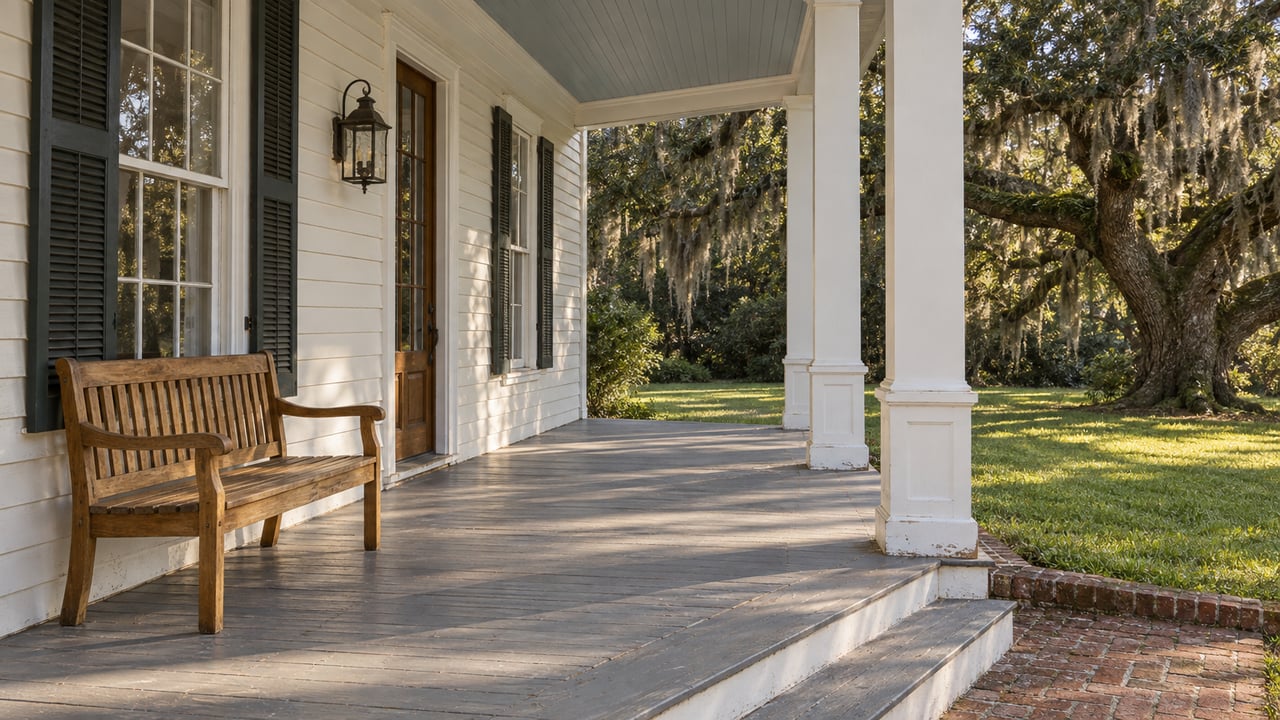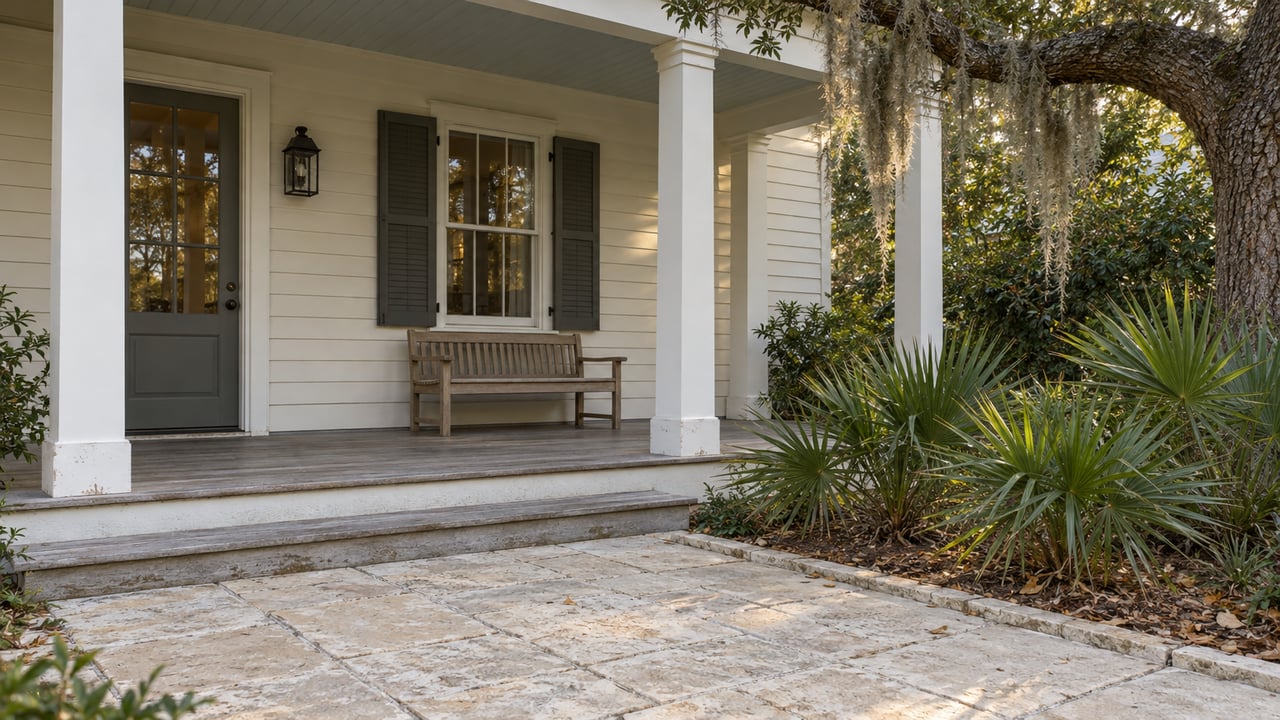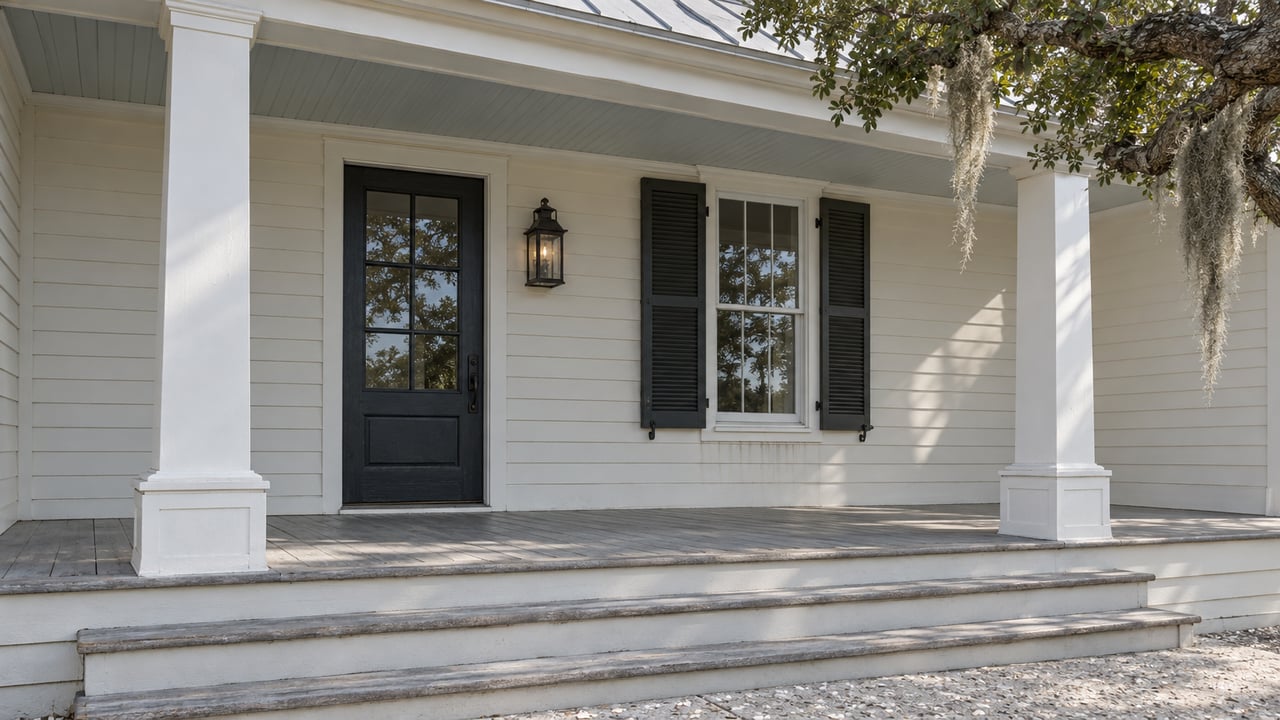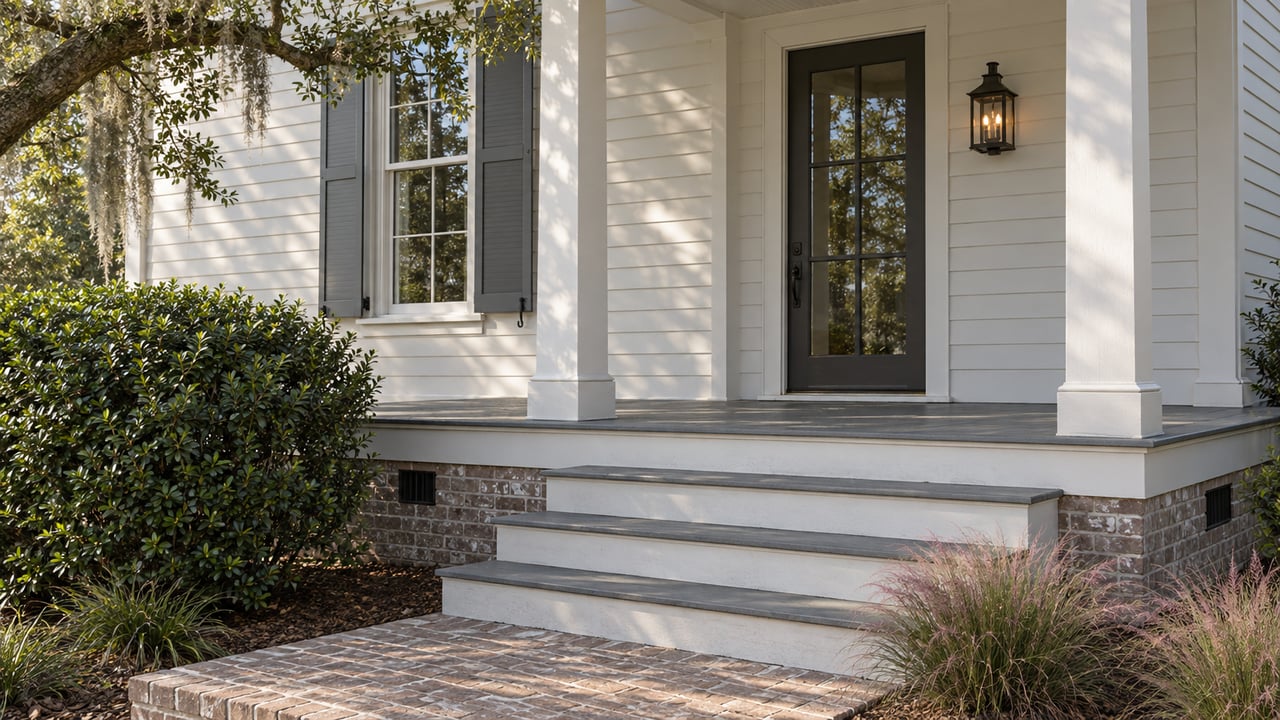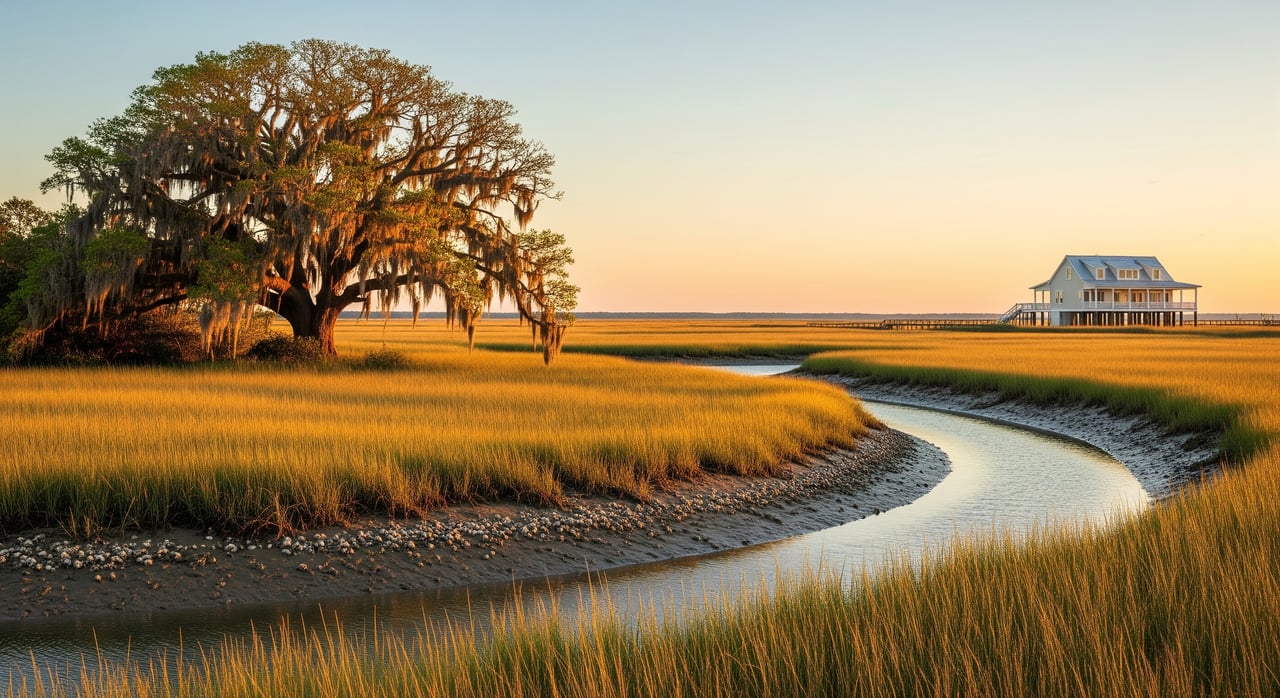
Should you buy a buildable lot and create your coastal dream home, or buy a move‑in‑ready house you can enjoy right away? In Darien’s 31331 market, both paths can work well, but each carries different timelines, costs, and risks. If you want river views, marsh breezes, or acreage, it pays to understand the local rules that shape what you can build and how fast you can move in.
This guide breaks down how buying land compares with buying a home in Darien. You will see the core differences in financing, insurance, permits, and carrying costs, plus a simple checklist to choose the right path for your goals. Let’s dive in.
Darien market basics
Darien sits on Georgia’s coast with a mix of historic in‑town homes, rural tracts, and riverfront and marsh‑adjacent properties. Inventory is smaller than big metro areas, and niche properties like riverfront or large acreage can take longer to sell. Natural assets make views and water access attractive, while environmental rules shape what and where you can build.
Coastal assets and constraints
- Flood and storm exposure can drive insurance needs and elevation requirements.
- Tidal wetlands and marshlands are protected, which can shrink a lot’s buildable area and add permits.
- Utilities outside the small city footprint often mean private wells and septic systems. Extending services can add time and cost.
- Nearby refuges and barrier islands increase the appeal of waterfront views but can add conservation limits.
Timeline: move‑in vs build
Buying a move‑in‑ready home
- Typical closing window is about 30 to 60 days from contract, depending on inspections and financing.
- Standard steps include inspections, appraisal, and title and closing.
- You can occupy right after closing, then handle any maintenance or updates on your schedule.
Buying land and building
- Lot purchases often close in 30 to 60 days, but surveys, title, and financing can extend that.
- From lot closing to finished home, plan for about 9 to 24 months or more. Builder schedules, design work, permits, weather, and site work all add time.
- Expect to manage design and engineering, septic approvals if needed, soil tests, wetlands delineation, and building permits.
Pre‑purchase verifications for lots
Before you commit to a lot, build in a robust lot contingency and verify:
- Current survey, legal access, and any easements.
- Septic perc testing, soils, and health department approvals if no sewer.
- Wetlands presence and setbacks that reduce buildable area.
- FEMA flood zone, base flood elevation, and any freeboard rules that affect foundation design.
- Utility availability and the cost to extend service.
- Covenants, HOA rules, and any deed restrictions.
- Topography and drainage that may require elevated foundations or pilings.
Financing and cash flow
Loans for homes vs land
- Vacant land is higher risk to lenders, so land and lot loans often require larger down payments, higher rates, and shorter terms than a standard home mortgage.
- Conventional mortgages typically apply to improved properties with a dwelling.
- USDA loans may be available for eligible rural single‑family homes in 31331, but USDA does not finance raw land by itself.
Construction loans basics
- If you plan to build, you will likely use a combined lot and construction loan, a construction‑to‑permanent loan, or a lot loan followed by a construction loan.
- Construction loans are usually interest‑only while you build, with draws tied to inspections and builder progress.
- Builder approval, plans, budget, and timeline are part of the lender’s review.
Carrying costs to expect
- Property taxes: vacant land and owner‑occupied homes are assessed differently, and homestead exemptions can lower taxes for a primary residence. Check McIntosh County rules for details.
- Loan interest: land or lot loans often carry higher rates and interest‑only payments before you build.
- Maintenance: lots need mowing and erosion control. Homes add utilities, insurance, and routine upkeep.
- Opportunity cost: capital tied up in land does not produce immediate housing or rental income, while a move‑in‑ready home can be occupied or rented right away.
Insurance and risk on the coast
Flood and elevation
- If the property sits in a Special Flood Hazard Area and you use a federally backed mortgage, flood insurance is required.
- Flood maps can change, and local code may require a finished floor elevation above the base flood elevation. That can push you toward pilings or elevated slabs.
Wind and hurricanes
- Coastal homes often carry wind or hurricane deductibles within the homeowners policy.
- Premiums vary with proximity to the coast, elevation, and construction features.
Shoreline and docks
- Docks and shoreline improvements usually need permits and may require specialized insurance.
- Plan for extra time and approvals if you intend to build a dock or stabilize a bank.
Permits and who regulates what
Agencies you will encounter
- Local building and code offices handle building permits and coordinate septic and well approvals.
- The Georgia Department of Natural Resources Coastal Resources Division oversees shoreline and coastal marsh activities.
- The U.S. Army Corps of Engineers may regulate impacts to wetlands and tidal waters.
- FEMA flood rules and the National Flood Insurance Program apply to floodplain development and elevation standards.
Common coastal constraints
- Marsh setbacks limit where you can place a house, driveway, or outbuildings.
- Elevation requirements influence foundation type and cost.
- Wetlands delineation, shoreline work, and dock permits add steps and can extend your build schedule.
Decision framework: which path fits you
Start with your must‑haves, then weigh timeline and risk.
- Timeline urgency: if you need to move within 60 days or want immediate rental income, a move‑in‑ready home fits. If you can wait 9 to 24 months for a custom build, land may be worth it.
- Budget and financing: do you have cash for a higher down payment on a lot and the reserves for construction costs, or would a standard mortgage be more comfortable?
- Risk tolerance: building adds unknowns such as soils, septic design, permits, and weather.
- Customization: building maximizes design control. Buying a home limits changes unless you renovate.
- Investment horizon: riverfront lots can be scarce, but resale depends on permits, elevation, and market timing.
- Insurance acceptance: coastal properties may require higher flood and wind premiums.
- Lifestyle and services: think about access to town services, medical care, and commuting.
- Builder availability: check local contractor backlogs and trades.
Quick score method
Give each factor a score from 1 to 5 for your lot option and your home option, then total both. Weight timeline and budget higher if those matter most.
- Timeline readiness
- Financing comfort
- Risk tolerance
- Customization desire
- Long‑term investment plan
- Insurance comfort
- Services and location fit
- Builder availability
Checklist for any Darien property
- FEMA flood zone and base flood elevation verified.
- Sewer availability confirmed or septic perc test and health approval in hand.
- Wetlands presence and any Coastal Resources Division or Army Corps permits identified.
- Utility availability and cost to extend service documented.
- Road access and maintenance responsibility clarified.
- Covenants, deed restrictions, and HOA rules reviewed.
- Title, easements, and survey issues cleared.
- Tax assessment method and any homestead eligibility understood.
- For riverfront: riparian rights, dock permit feasibility, and shoreline setbacks checked.
When buying a home makes sense
Choose an existing home if you want speed, predictability, and known costs. You can inspect, appraise, insure, and close in about 30 to 60 days. That helps if you are relocating on a deadline or want immediate rental potential.
You can still find plenty of lifestyle value, from historic streets to quiet rural settings, without waiting for a build. Renovate over time to personalize while controlling risk and cash flow.
When buying land makes sense
Pick land if customization, privacy, or specific water access is your priority and you can manage a longer timeline. Confirm soils, wetlands, flood elevation, and utilities before you close on a lot. Then line up a builder, financing, and permits with realistic cushions for time and budget.
If a dock, pilings, or shoreline work are part of the plan, start those conversations early. The right due diligence can turn a dream site into a buildable one with fewer surprises.
Next steps in Darien
- If you lean toward a home: get preapproved with a local lender, define your must‑haves, and watch inventory in 31331. Prepare for inspections, including general, pest, and septic or well if present.
- If you lean toward land: negotiate a lot contingency, order survey and perc tests, confirm flood and wetlands status, and speak with local permitting staff and a builder.
- For both paths: set a total project budget that includes insurance, taxes, utilities, and maintenance, not just the purchase price.
Ready to weigh specific properties and local permitting steps in McIntosh County? Reach out for neighborhood‑level insight and a clear plan from offer to close. Schedule a Free Consultation with Christal Kuchar.
FAQs
Financing land in Darien: can I use a conventional mortgage?
- Most conventional mortgages require a home on the property. Vacant land usually needs a land or lot loan with a higher down payment, or a construction‑to‑permanent loan if you plan to build.
Flood insurance in 31331: will I need it?
- If the home is in a Special Flood Hazard Area and you use a federally backed mortgage, flood insurance is required. Even outside these zones, many coastal buyers choose flood coverage for added protection.
Building near marshes: is a dock permit required?
- Yes, docks and most shoreline work need permits. Expect review by state coastal regulators and possibly federal agencies, which can add time to your build.
Build timeline in Darien: how long does it take?
- After closing on a lot, a typical single‑family build takes about 9 to 24 months or more, depending on design, permits, site work, and contractor schedules.
Property taxes on land vs a home: which is lower?
- Vacant land is assessed differently from an owner‑occupied home. Homestead exemptions can reduce taxes for a primary residence. Check with McIntosh County for the specific rules.
USDA in 31331: can I use it to buy land only?
- USDA programs can help eligible buyers finance rural single‑family homes, but they do not finance raw land by itself. Verify property eligibility before you apply.