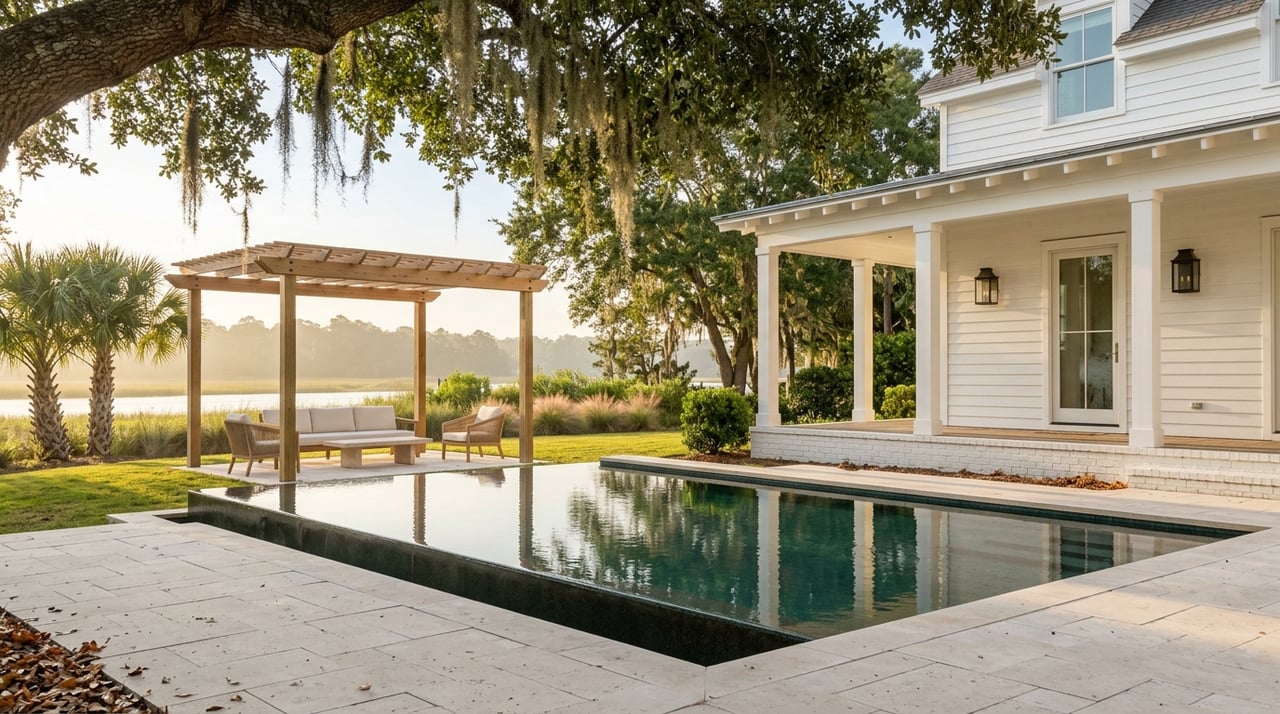
If you are trying to picture daily life on St. Simons, one question matters more than almost any other: what does the island feel like month to month? That is especially true if you are planning a move, buying a second home, or deciding when to spend more time here. St. Simons follows a coastal rhythm shaped by weather, tides, events, and visitor patterns, and understanding that rhythm helps you picture real life more clearly. Let’s dive in.
St. Simons follows a seasonal rhythm
St. Simons does not shift through four hard-edged seasons in the way many inland places do. Instead, the island moves through broad lifestyle phases that feel mild in winter, active in spring, busy in summer, and relaxed again in fall.
Nearby Brunswick Golden Isles Airport data show the warmest typical high arrives in late July at 92.9°F. The coldest typical low lands around January 20 at 40.4°F, which helps explain why winter here often feels cool but not severe.
That rhythm also changes within a single day because beach access is tide-sensitive. Low tide opens more sand for walking and shelling, while high tide can leave very little beach in some areas near Pier Village.
Winter on St. Simons
January feels quiet and local
January often feels like the island is catching its breath after the holiday season. It is one of the quietest times of year, and the cooler weather makes it a strong month for walking, biking, birding, and visiting historic sites.
Because the coldest typical low of the year falls around January 20, full beach days are less common. You can still enjoy the coast, but winter beach time usually looks more like a scenic walk than a day built around swimming.
February starts to wake up
February still feels calm, but it begins to turn outward a bit more. Community events like the St. Simons Land Trust Oyster Roast give the month a more social feel and hint at the busier spring ahead.
If you like the island when it feels easier to navigate and less crowded, February can be especially appealing. It often gives you a more day-to-day view of local life before visitor activity rises.
Spring on St. Simons
March brings momentum
March is when St. Simons starts to feel more active again. Outdoor plans become easier to make, and the island calendar begins to fill with events like Revolution on the Coast in mid-March.
Weather also supports that shift. The average last freeze around the Brunswick airport is in early March, which helps mark the seasonal move into more consistent outdoor living.
April feels especially inviting
April is one of the most appealing months for people who want to sample the lifestyle before a move or second-home purchase. With events like the Tabby and Tillandsia Garden Walk on April 25, the month leans into gardens, porches, patios, and longer afternoons outside.
This is the kind of month that helps you picture how everyday life can feel here. The pace is active without the heavier pressure of peak summer.
May turns toward summer
May is a transition month. It still carries some of spring’s easy pace, but by late May the island begins shifting into beach season.
Memorial Day brings Taps at Twilight on May 25, Georgia sea turtle nesting season begins in late May, and lifeguard coverage starts Memorial Day weekend. That combination makes May feel like the official handoff from spring routines to summer patterns.
Summer on St. Simons
June feels like beach season
June is when beach life becomes the center of the island routine. Nearby airport data show an average June 8 high of 89.4°F and low of 70.8°F, so the weather already feels firmly summer.
The calendar gets fuller too, with events such as Taste of Gullah on June 19, the Summer Art Stroll on June 18, Little Light Music on June 28, and Storytime programs. If you want classic beach-town energy, June delivers it.
July is peak summer
July brings the highest energy of the year. Holiday activity, family visits, hot weather, and events like the July 4 Sunshine Festival 5K and 1-mile all add up to a busier feel across the island.
This is also when beach access and parking can feel more competitive. Popular areas draw the most activity, especially during holiday weekends and prime beach hours.
August stays hot and watchful
August still feels very much like summer, even as some households begin shifting back toward a school-year routine. Sea turtle nesting and hatching season continues through mid-August, which keeps coastal stewardship part of the season’s identity.
It is also part of Atlantic hurricane season, which runs from June 1 through November 30. For owners, late summer starts to include more awareness around storm preparation and seasonal routines.
Fall on St. Simons
September feels transitional but warm
September often feels like a softer version of summer. Nearby data show an average high of 87.0°F on September 14, so temperatures still support beach time and outdoor plans.
At the same time, this is a month to stay weather-aware. Atlantic hurricane season typically peaks around September 10, which makes preparedness part of normal coastal life even when the island feels beautiful and active.
October is one of the easiest months to love
October often feels especially livable. The weather is more comfortable, the pace is easier, and recurring events like the St. Simons Market continue on October weekends.
This is also a good time to remember how much tides shape the beach experience. Low tide creates the widest and most usable beach, which can make an October beach walk feel very different from a high-tide visit on the same day.
November is a true shoulder season
November sits comfortably between fall leisure and the holiday season. The RSM Classic brings major attention to the area, while holiday programming starts to appear later in the month.
For many buyers and second-home shoppers, this time of year offers a helpful look at the island when it feels active but not at peak summer intensity. You can get a better sense of pacing, access, and everyday routines.
December feels festive and mild
December is shaped by holiday lights, markets, and year-end events. Even so, the coastal climate keeps the month milder than many people expect, with a typical late-December high around 61.4°F.
That means December often feels festive without turning harshly cold. You may not plan your days around swimming, but outdoor time can still be part of your routine.
What changes through the year
Tides shape beach life
On St. Simons, beach time is not only about temperature. It is also about the tide chart.
Low tide brings wider stretches of sand for walking and shelling. High tide can narrow the beach significantly, especially near Pier Village, so the same beach can feel completely different depending on the hour.
Traffic comes in waves
Traffic pressure on St. Simons is usually concentrated rather than constant. The island is reached by the F. J. Torras Causeway, and busier periods tend to line up with summer weekends, holidays, and special events.
Parking on the island is generally free and public, but some beach areas are easier than others. Coast Guard and East Beach offer the most parking, while Gould’s Inlet has more limited parking.
Summer routines are more structured
Summer brings more support at the beach, but it also creates a more scheduled pattern. Lifeguards are on duty from Memorial Day to Labor Day, from 11:00 a.m. to 4:00 p.m., at Coast Guard and Massengale beaches.
That schedule helps define the classic summer season. It is one more reason June through August feels different from spring or fall, even beyond the temperature.
Hurricane season is part of coastal life
From June 1 to November 30, hurricane season becomes part of the annual calendar. That does not mean every week feels stormy, but it does mean owners and full-time residents tend to become more intentional about planning in late summer and early fall.
If you are considering a move or second home, this is simply part of understanding coastal living. Preparedness becomes a routine, just like paying attention to tides or holiday traffic.
If you are trying to decide when St. Simons feels most like home to you, the answer depends on the lifestyle you want. Some people love the quiet of January, others want June beach energy, and many relocation buyers find that spring and fall offer the clearest picture of daily life. If you want help matching the season to the kind of property and pace you are looking for, reach out to Christal Kuchar for a local, high-touch conversation.
FAQs
When does St. Simons feel quietest for daily life?
- January and parts of February usually feel the quietest, after the holiday season and before spring activity builds.
When does St. Simons feel most like classic beach season?
- June through August usually feels most like classic beach season, especially around the July Fourth holiday.
When is the best time to visit St. Simons for relocation scouting?
- Spring and fall often give you the best balance of pleasant weather, active island life, and a more realistic look at daily routines outside peak summer pressure.
Can you still enjoy St. Simons beaches in winter?
- Yes. Winter beach time is usually better for walks, shelling, birding, and scenic time than for long swim days.
How do tides affect St. Simons beach access?
- Low tide creates more exposed sand for walking and shelling, while high tide can leave very little beach at some locations near Pier Village.
What should homeowners know about hurricane season on St. Simons?
- Atlantic hurricane season runs from June 1 through November 30, so late summer and early fall are the months when storm preparation becomes a more regular part of coastal living.